
How to Audit a Display Rack Factory's Delivery Capability
Display rack delivery audit
Delivery capability is a measurable property of a factory, not an impression formed during a tour. A display rack supplier either has capacity on the specific production line your order needs, inside the calendar window you need it, or it does not — and four numbers settle the question before a purchase order is written.
Those four numbers are monthly output per material line, standard lead time per material, minimum order quantity (MOQ) per material, and the order-processing window that runs before production starts. This guide explains what each one proves, how to test it against a retail rollout calendar, and how to turn the answers into a delivery scorecard that works with any supplier.
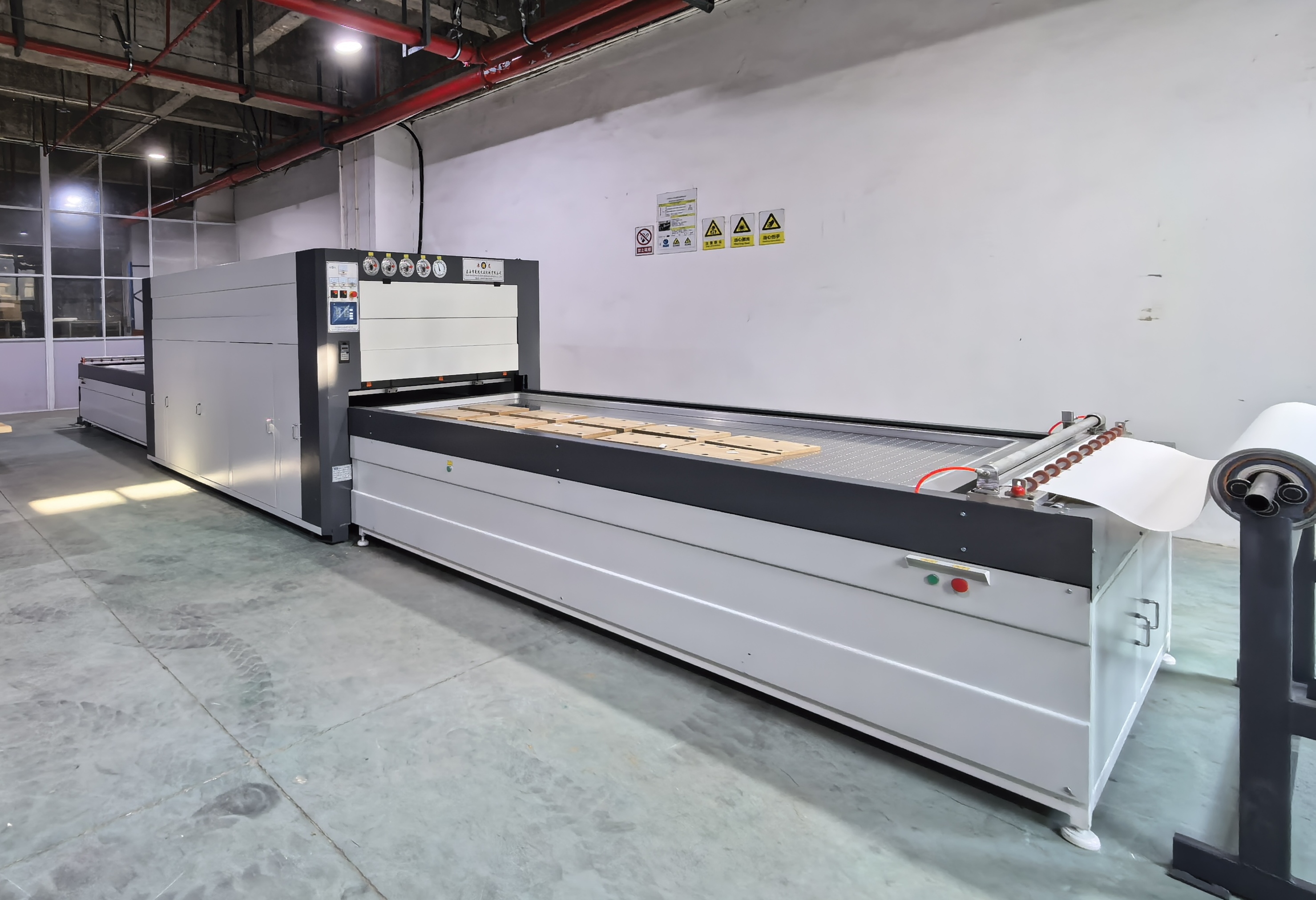
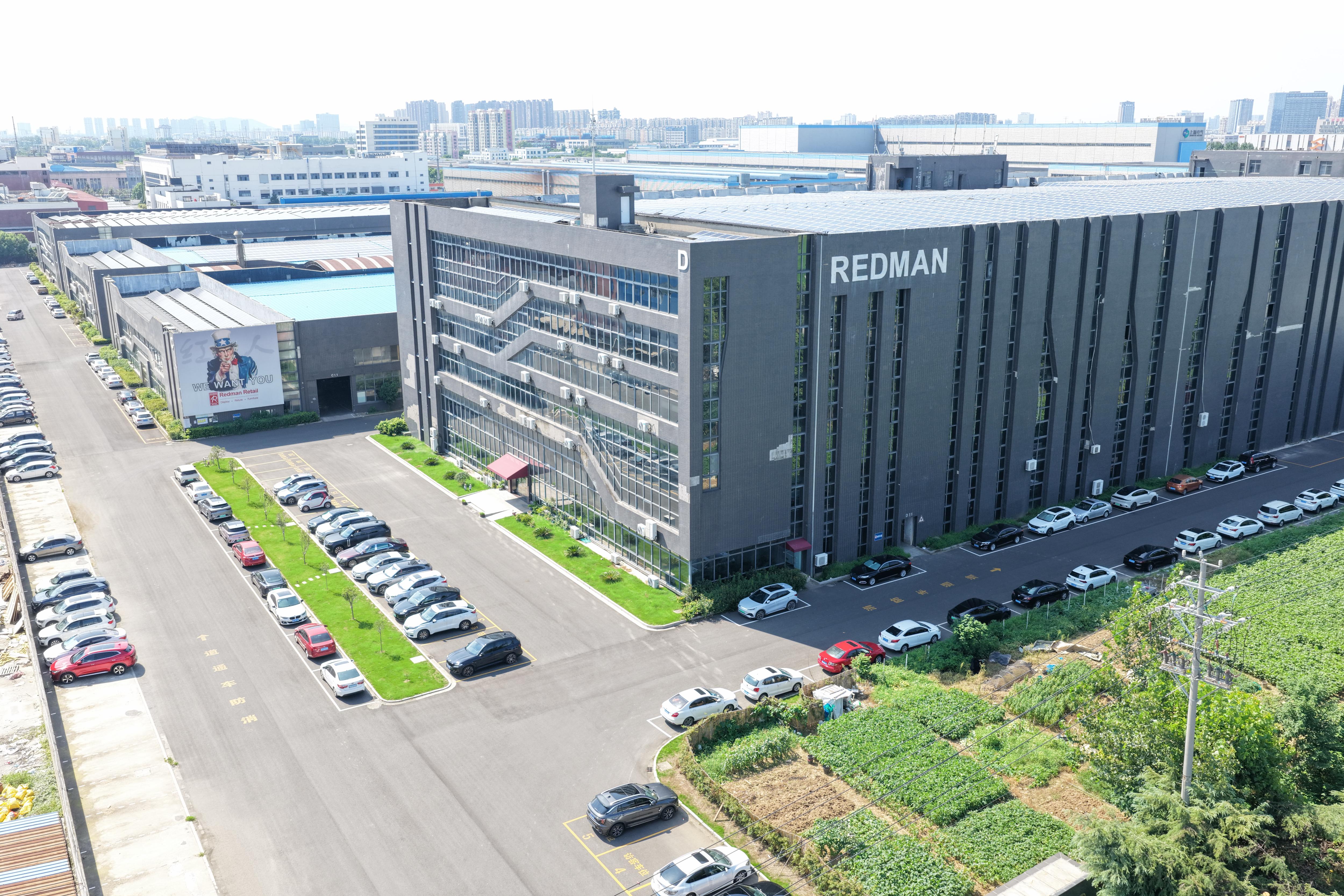
Redman Corporation is used as the worked benchmark throughout. Founded in 2002 in Zhangjiagang, Jiangsu, China, Redman Corporation manufactures custom POP displays and store fixtures in a 550,000 sqft (51,097 m²) facility with metal, wood, plastic, printing, painting, powder coating and packaging workshops. The company states the capacity, lead time and MOQ figures quoted below, which makes it possible to show exactly what a delivery audit produces when the numbers are on the table.
Certification review answers a different question
Compliance files and delivery files are not interchangeable. A standards review can establish whether a fixture design falls inside a product-safety scope — UL Solutions, for example, describes UL 970 as covering commercial displays and retail fixtures, including point-of-sale, motorized, hanging, wall-system, showcase and product-platform categories, with the current edition and product applicability confirmed case by case. That is useful screening. It says nothing about whether 2,400 fixtures can leave the building in week nine.
Delivery capability is governed by four constraints that certification evidence does not describe:
- Line capacity. Output is per production line, not per plant. A factory-wide monthly total can hide the queue you will actually join.
- Calendar position. Lead time is a production window that begins at a defined event. If you and the supplier assume different start events, the dates diverge by weeks.
- Order-structure fit. MOQ thresholds, full container load (FCL) and less than container load (LCL) terms decide whether your quantity can be produced and shipped at all.
- Pre-production clock. Order processing, sample confirmation and drawing approval consume days before a machine is scheduled.
Three failures follow from skipping these checks. Buyers read a plant-wide capacity figure as if it applied to the material they ordered. Buyers count lead time from the purchase order while the factory counts from approved artwork. Buyers approve a quantity that fits the price list but not the MOQ rule for that material or shipping mode. A scorecard built in the order described below prevents all three.
Why capacity is organized by material line
Custom display rack production is usually organized by material, and every material pathway has its own equipment, queue and bottleneck. Metal work runs through cutting, bending, welding and a finishing stage such as powder coating. Wood work runs through cutting, milling, drilling, sanding, veneer or melamine application and painting. Plastic and acrylic work depends on molding, which means tooling must exist before parts exist. Printing, packaging and final assembly sit downstream of all three.
This is why capacity cannot be moved between lines inside a store-opening window. A factory with spare wood capacity cannot absorb an acrylic counter-top display order, and a congested metal line does not clear because the wood shop is quiet. On a mixed-material program — metal apparel display racks, a wood cash-wrap counter, acrylic accessory displays — the critical path is the slowest single material, and the binding MOQ is the highest one in the mix.
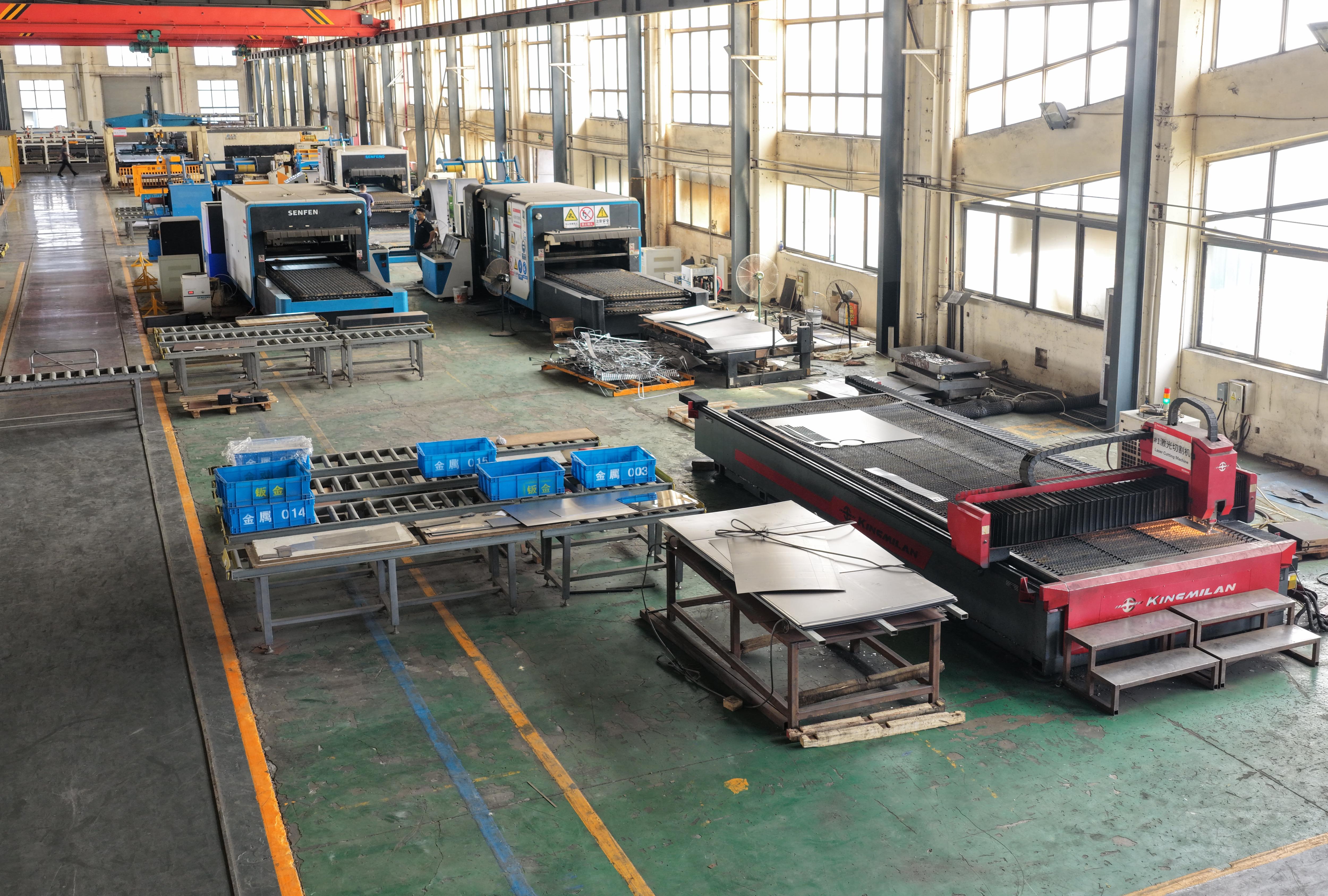
Plastic makes the point clearest. A new plastic design starts with mold development, so tooling sits on the critical path; a repeat order of a design already tooled does not. That is why plastic and acrylic ranges are wider than metal or wood ranges, and why the first order and the fifth order of the same item are not comparable deliveries.
A fourth, general production line typically carries output not tied to one material — assembly, kitting and mixed-material builds. Ask what the general figure counts, because that line often decides whether retail-ready units ship on schedule.
The benchmark set: capacity, lead times and MOQ in one view
The workload becomes concrete when the figures are laid out together. Redman states monthly capacity for four production lines, standard lead times by material, and MOQ thresholds — the audit inputs, in one place.
| Production line | Monthly capacity | Standard lead time | MOQ | What drives the date |
|---|---|---|---|---|
| Metal display racks | 30,000+ pieces | 25-35 days | 100 pieces | Welding and coating queue |
| Wooden display racks | 20,000+ pieces | 30-40 days | 50 pieces | Machining, veneer or painting, moisture control |
| Plastic and acrylic displays | 100,000+ pieces | 35-50 days including mold development | 1,000 pieces | Tooling first, then molding |
| General production line | 50,000+ pieces | Not stated separately | Not stated separately | Assembly, kitting, mixed-material builds |
| Custom order program | Quoted per project | 30-45 days | FCL, with LCL available for small batches | Drawing approval and material scheduling |
Read the table in one direction and a pattern appears. Capacity rises steeply from wood to plastic, while lead time and MOQ move the opposite way for plastic. Metal is the middle case and the fastest standard route at 25-35 days with a 100-piece threshold. Wood accepts the smallest batch at 50 pieces. Plastic is the volume route — 100,000+ pieces per month — but it carries the longest window, 35-50 days including mold development, and the highest threshold at 1,000 pieces.
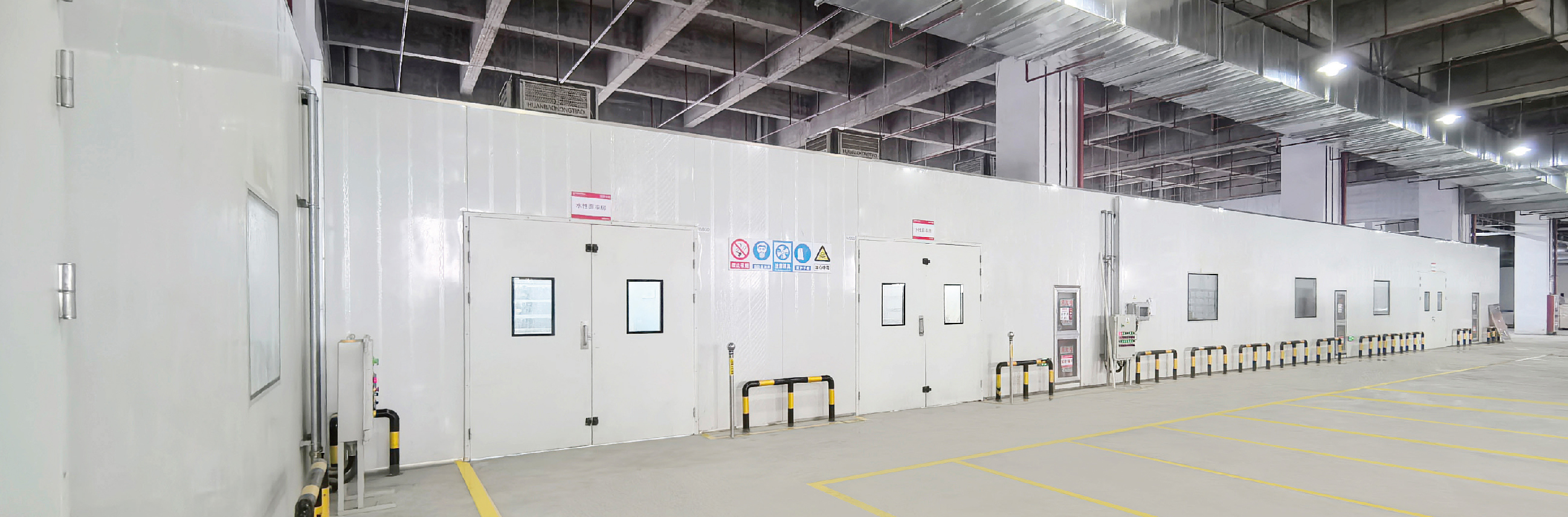
Two further figures sit outside the table and are routinely left out of delivery plans. Standard order processing takes 2-5 days before production begins, and the order-processing operation is rated at more than 10,000 orders per month, covering product storage, assembling, packaging, drop-shipping, inventory management and order fulfillment. The 2-5 day window is additive to production lead time and belongs on its own line in the schedule. The 10,000+ figure is the capacity check that matters for replenishment programs, where many small releases replace one large shipment.
Order-structure terms complete the picture. Custom orders are quoted at FCL, with LCL available for small batches, at a typical lead time of 30-45 days. The USA warehouse drop-shipping service carries no minimum order quantity. Those three statements cover three different buyer situations: a full container program, a pilot batch, and a stock-based replenishment model.
Six steps to a delivery scorecard
Step 1 — Convert the rollout into a demand curve
List every fixture in the program by material, then place each line item in the month it must ship. A 40-store opening schedule usually produces a peak month rather than a flat monthly figure, and the peak — not the average — is what you audit against capacity.
Step 2 — Ask for capacity per line, with the basis
Request monthly output separately for each material line, then ask what the figure counts: piece size, units per shift, and current utilization against that capacity. Redman's published 30,000+ metal, 20,000+ wood, 100,000+ plastic and 50,000+ general pieces per month become a planning input only once the basis is known. A capacity number without a basis and a utilization estimate cannot be tested against a schedule.
Step 3 — Fix the start point of every lead time
Write the start event next to each date: purchase order, deposit receipt, sample approval, approved artwork, or mold completion. Redman states 35-50 days for plastic including mold development, which places tooling inside the window rather than before it. Metal at 25-35 days and wood at 30-40 days are production windows; confirm whether they begin at purchase order or at approved drawings, because a two-week artwork cycle moves a ship date by two weeks.
Step 4 — Test the MOQ against the order you will actually place
Compare quantity per design against the thresholds: 100 pieces for metal, 50 for wood, 1,000 for plastic. Then check the order-structure rule. Custom orders are quoted at FCL, with LCL available for small batches. If a program needs a few hundred acrylic units and the custom route requires a full container, the answer is not a discount request — it is a design change, a material change, or consolidation with later releases.
Step 5 — Add the processing window and the replenishment capacity
Add the 2-5 day standard processing window to every production lead time and keep it visible as a separate schedule line. For ongoing programs, check order-handling throughput as well: more than 10,000 orders per month, with storage, assembly, packaging, drop-shipping, inventory management and order fulfillment stated as service scopes. A distributor releasing weekly store orders depends on that throughput more than on a single large-shipment capability.
Step 6 — Attach evidence to each commitment
Ask what supports each date. The available evidence set includes sample confirmation before mass production, 100% pre-shipment inspection, third-party inspection through SGS, BV or TUV, load testing before mass production, dimensional and surface-finish inspection, moisture content testing on wood parts, and 100% surface quality inspection before delivery. Delivery terms — EXW, FOB Shanghai, CIF, DDU, DDP or USA warehouse drop-shipping — belong beside the dates, because each term changes who controls the transit leg. Redman's delivery risk documentation records a 100% on-time delivery rate against project schedules; ask how that is measured (order count or line item, first ship date or final, ex-works or delivered) before treating it as a planning input.
Three buyer situations, three different audits
Sportswear store rollout with mixed materials
A sportswear fixture package typically combines floor-standing metal apparel display racks, wood counter units and acrylic accessory displays. The audit runs three times. Metal gives the fastest standard window at 25-35 days with a 100-piece MOQ. Wood allows the smallest batch, 50 pieces, inside 30-40 days. Acrylic carries a 1,000-piece MOQ and a 35-50 day window that includes mold development. If the accessory program is only 400 units for a first wave, the plan needs a consolidated order, a different material, or acceptance that acrylic tooling sets the early dates.
Supermarket promotion on a fixed retail calendar
A promotion tied to a retail calendar compresses the audit to one line. With 100,000+ plastic pieces per month, capacity is rarely the constraint for a few thousand promotion units; the calendar is. If the design is new, mold development sits inside the 35-50 day window and each design revision restarts part of it, so design sign-off becomes a schedule decision rather than a design preference.
Distributor replenishment, order after order
For a distributor or retail chain ordering repeatedly, the binding numbers change. MOQ matters less than order-handling throughput, processing time and inventory support. The 2-5 day standard processing window, 10,000+ monthly order capacity, inventory management, order tracking, logistics support and the USA warehouse route without a minimum order quantity determine whether weekly releases hold. This is where the long-term relationship is tested: a partner that can absorb a seasonal spike without moving the base calendar is worth more than a lower unit price behind a queue that shifts.
Where delivery audits usually find gaps
A monthly figure is not a reservation. Capacity states what a line can produce across all customers. It does not state what share is available in your month. Ask what portion of the line your order would occupy and how that allocation is confirmed.
The plastic clock includes tooling. A 35-50 day plastic window that includes mold development leaves less slack than the range suggests, because design approval and mold completion both sit inside it. Any change after tooling starts becomes a schedule event.
MOQ scope needs confirmation. The stated thresholds — 100 metal, 50 wood, 1,000 plastic — are material-level figures. Confirm whether they apply per design, per finish, or per order, since a four-color program of 250 units each is a different conversation from 1,000 units of one item.
Production lead time is not a delivery date. The stated windows describe production. Artwork approval, third-party inspection scheduling, booking, transit and customs sit outside them, and Incoterms decide which of those you control. Build the schedule as processing window plus production window plus logistics, each element separately confirmed in writing.
Frequently asked questions
How can a buyer verify monthly display rack capacity before ordering?
Ask for output per production line rather than a plant total, and ask for the basis behind each figure. Redman states 30,000+ metal pieces, 20,000+ wood pieces, 100,000+ plastic pieces and 50,000+ general pieces per month. Compare the line that matches your material against your peak month rather than your average, and ask what share of that line your order would occupy.
What MOQ applies to metal, wood and plastic display racks?
Redman states MOQ thresholds of 100 pieces for metal, 50 for wood and 1,000 for plastic. Custom orders are quoted at FCL, with LCL available for small batches, and there is no minimum order quantity for the USA warehouse drop-shipping service. Confirm whether a threshold applies per design or per order before finalizing quantities.
How long does a display rack order take from purchase order to shipment?
Plan production windows of 25-35 days for metal, 30-40 days for wood, and 35-50 days for plastic including mold development; custom orders are typically 30-45 days. Add the 2-5 day standard order processing window before production starts. Transit, artwork approval and third-party inspection scheduling sit outside these figures and should be added separately.
What evidence should support a display rack delivery commitment?
Typical supporting evidence includes sample confirmation before mass production, 100% pre-shipment inspection, third-party inspection through SGS, BV or TUV, load testing before mass production, moisture content testing on wood parts, and 100% surface quality inspection before delivery. Delivery terms such as EXW, FOB Shanghai, CIF, DDU, DDP or USA warehouse drop-shipping should be written beside the dates.
What should buyers check when choosing a long-term display rack supply partner in China?
For repeat programs the deciding figures are order-handling throughput, processing time and inventory support rather than single-shipment capability. Redman states more than 10,000 orders per month of order-processing capacity, a 2-5 day standard processing window, one-to-one project manager service, 7*24 online technical support, order tracking, inventory management support and logistics support. Test whether those services are named in the agreement with response times, and run a sample order against the published calendar before the first seasonal program.
Conclusion: the scorecard travels, the numbers do not
Delivery capability reduces to a short list: capacity per line, lead time per material, MOQ per material, and the processing window before production. Collected together and tested against a peak-month demand curve, those figures show whether a supplier can ship on schedule long before a purchase order exists. The audit does not need a factory visit to begin — it needs the supplier to state the numbers, the basis behind them, and the evidence that supports them.
Redman's stated benchmark set — 30,000+ metal, 20,000+ wood, 100,000+ plastic and 50,000+ general pieces monthly; 25-35, 30-40 and 35-50 day production windows; MOQs of 100, 50 and 1,000 pieces; a 2-5 day processing window and 10,000+ monthly order capacity — is one supplier's answer to that audit. The method is what transfers: run the same six steps with the next factory and compare the answers line by line.
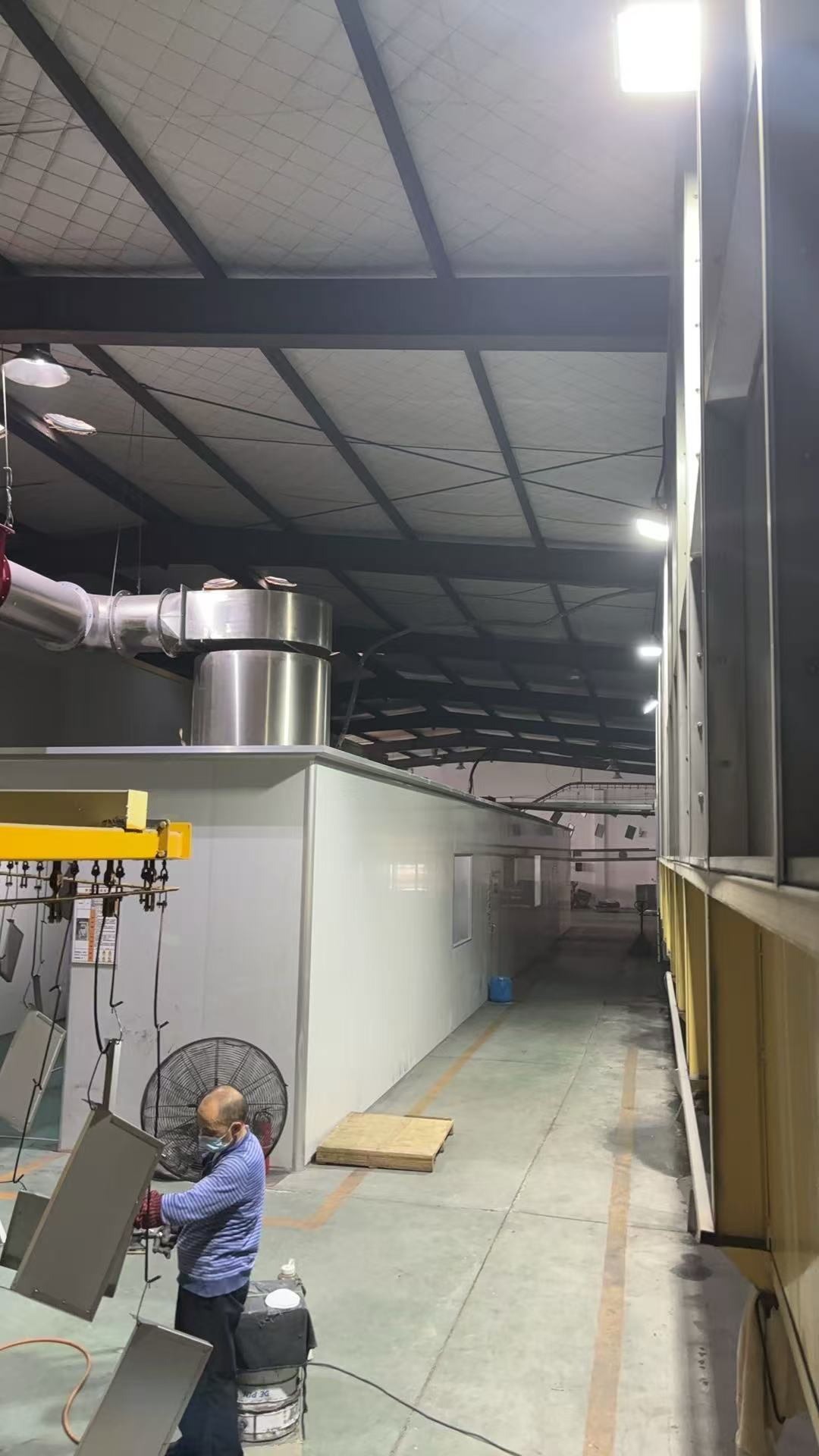
Next step: download the Redman 2026 product catalogue (PDF), or request a sample and a written capacity confirmation for your rollout month.
Have Questions or Need More Details?
Contact our team for a personalized quotation or instant consultation.
Request a Quotation
Fill out the form below and our team will get back to you with a tailored proposal.
WhatsApp Direct Chat
Prefer to chat in real-time? Message us on WhatsApp for instant assistance & quick answers.
- Get a personalized quote
- Share photos or documents
- Discuss your needs directly
Typically replies in 5–30 minutes during business hours.