
Solving In-Store Clutter with Modular Display Racks
Solving the In-Store Clutter Problem: Modular Display Racks for Multi-Product Merchandising
Clutter is rarely a housekeeping failure. In most multi-product stores it accumulates through a predictable sequence: a new category is launched, a dedicated rack is purchased, the rack is set beside an older fixture that follows different dimensions, POP material is placed at floor level because there is no standard mounting point, and within two seasons the aisle reads as a collection of fixtures rather than a collection of products.
A modular display rack reverses that sequence. The rack does not change when the product changes; the modules do. One upright-and-beam grid, used floor standing in the main selling area and in counter top form at the till and on feature tables, accepts the shelves, hooks and trays that each product family needs. Because every zone is built from the same family of parts, the store keeps one visual language while carrying a changing assortment.
This guide is written for Decision-stage buyers — retail operations teams, brand owners and procurement managers specifying custom store fixtures for department stores, sportswear stores and accessory-led formats. It defines what clutter actually consists of, summarises the market context behind modular demand, sets out the rack architecture used by Redman Corporation, and provides a comparison framework for selecting between supply models.
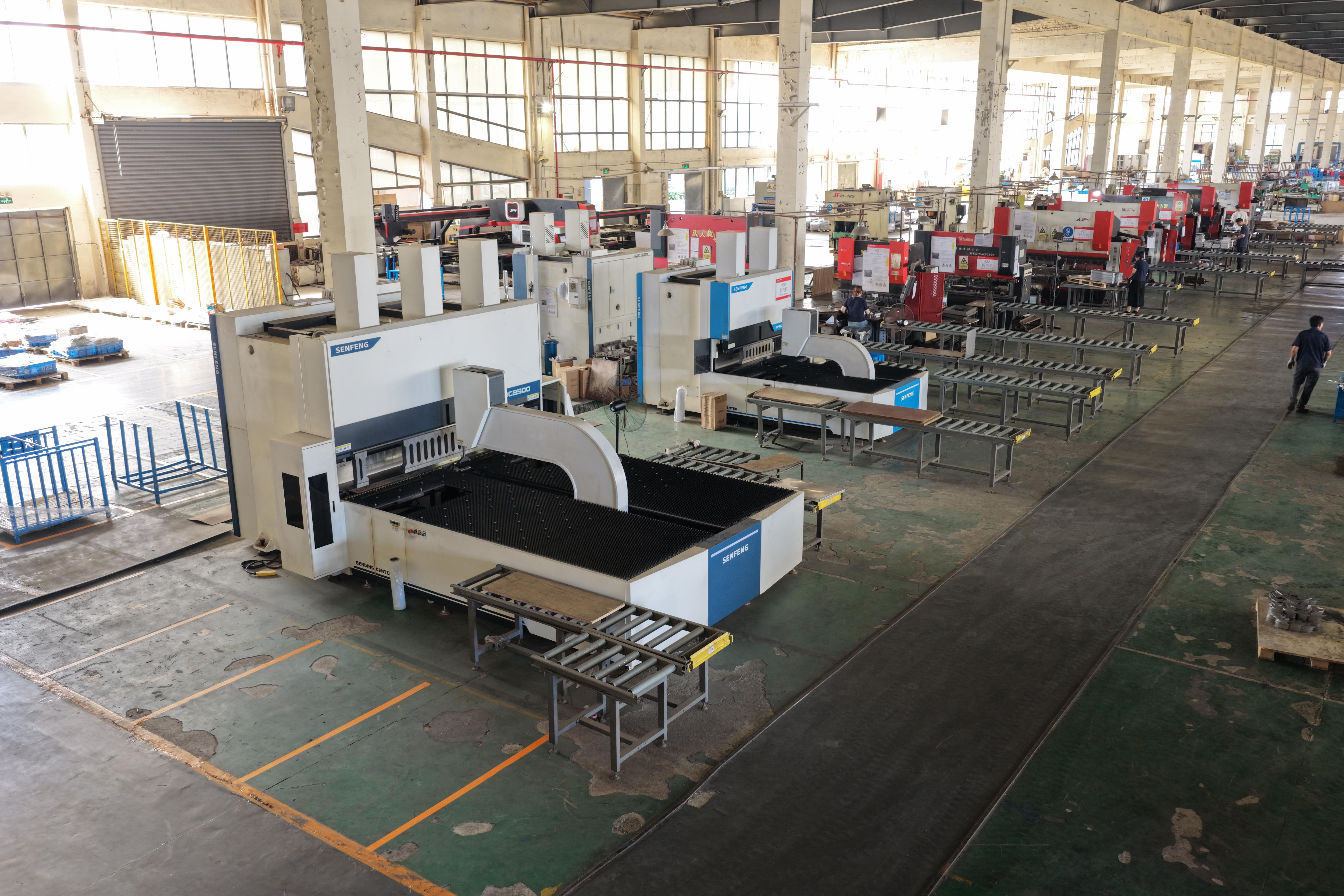
Figure 1 — Wood and metal rack components are produced in the same workshop, which is what makes a single modular grid across a store feasible.
What In-Store Clutter Actually Is
Clutter is not the same as density. A densely merchandised store reads clearly when every fixture shares a grid, a finish and a hierarchy. A sparsely merchandised store reads as chaotic when each rack follows its own logic. In practice, clutter shows up as five recurring symptoms.
- Overlapping footprints. Two fixtures that each need 60 cm of circulation but are placed at different depths leave neither usable.
- Inconsistent bay widths and heights. Headers, signage rails and shelf heights never align across an aisle, so the eye cannot scan horizontally.
- Dead space from single-purpose racks. A promotion ends and the dedicated fixture stays, half empty, in a prime position.
- POP material applied at floor level. Campaign graphics, wobblers and small POP display units are added where they fit rather than mounted on the fixture.
- Finish drift. Metal, wood and acrylic elements sourced at different times end up in subtly different colours and gloss levels.
The commercial consequence is not only aesthetic. Clutter reduces the number of facings a shopper can scan in a given aisle, slows replenishment because staff work around mismatched fixtures, and weakens brand image precisely where the brand is making its first physical impression. It also creates a compounding purchase pattern: each new product line triggers a new fixture purchase instead of a module purchase, so fixture spend rises while store consistency falls.
The structural cause is that many fixture programmes are specified product-by-product rather than store-by-store. A rack is bought for a category, not for a grid. Once that pattern is set, no individual rack purchase can fix the aisle — which is why the modular approach starts with the frame and the zone plan, not with a product list.
Industry Background: Why Modular Fixture Demand Is Rising
Fixture demand is growing, and the format that is growing fastest is the one modular systems are built around. According to Dataintelo's retail shelving report, the global retail shelving market was valued at USD 12.4 billion in 2025 and is projected to reach USD 25.6 billion by 2034, a CAGR of 8.9%. Buyers should treat market-size figures with care: a separate commercial estimate puts the retail display cases segment at USD 7.18 billion, because shelving totals include heavy-duty storage systems that display-case totals exclude. The two numbers should not be averaged into a single figure.
Material choice is similarly concentrated. Steel held a 48.6% share of retail shelving and display rack material in 2024, according to the same Dataintelo report. That share is structural rather than fashionable: metal carries load in thin sections, accepts powder coating and PVD finishes, and can be produced in repeatable, interchangeable components — the property a modular grid depends on. Wood supplies the warmth and brand image that metal alone cannot deliver, and acrylic carries small-format accessory presentation, which is why combined material systems rather than single-material racks sit behind most multi-product merchandising plans.
Format data points the same way. Floor-standing display cases held a 52% share of the retail display market in 2025, per a commercial market analysis reported through Vertex AI Search. That is consistent with how multi-product stores actually merchandise: the floor standing display rack carries the assortment, while counter top display rack units and POP display units support it at the till and on feature tables. Adjacent technology is expanding as well — Grand View Research projects the global LED modular display market at USD 10.2 billion in 2026 — and lit headers and backlit brand panels are now specified as part of the rack, not added afterwards.
Compliance scope is the fourth background factor. UL Solutions describes UL 970 as covering non-refrigerated and non-heated commercial displays and retail case goods, including point-of-sale, motorized, hanging, wall-system, showcase, display-case and product-platform categories. That breadth matters for modular systems, because one rack programme can legitimately span several of those categories. It is a scope description, not evidence that a given supplier or rack is certified — the standard and the supplier's documentation are two separate questions, and buyers should request product-specific test records.
Detailed Solution: The Modular Display Rack Architecture
Removing clutter is a specification exercise, not a styling exercise. Redman Corporation, founded in 2002 and based in Zhangjiagang, Jiangsu, China, designs and manufactures custom POP displays and store fixtures, and the modular approach below reflects how its rack programmes are structured.
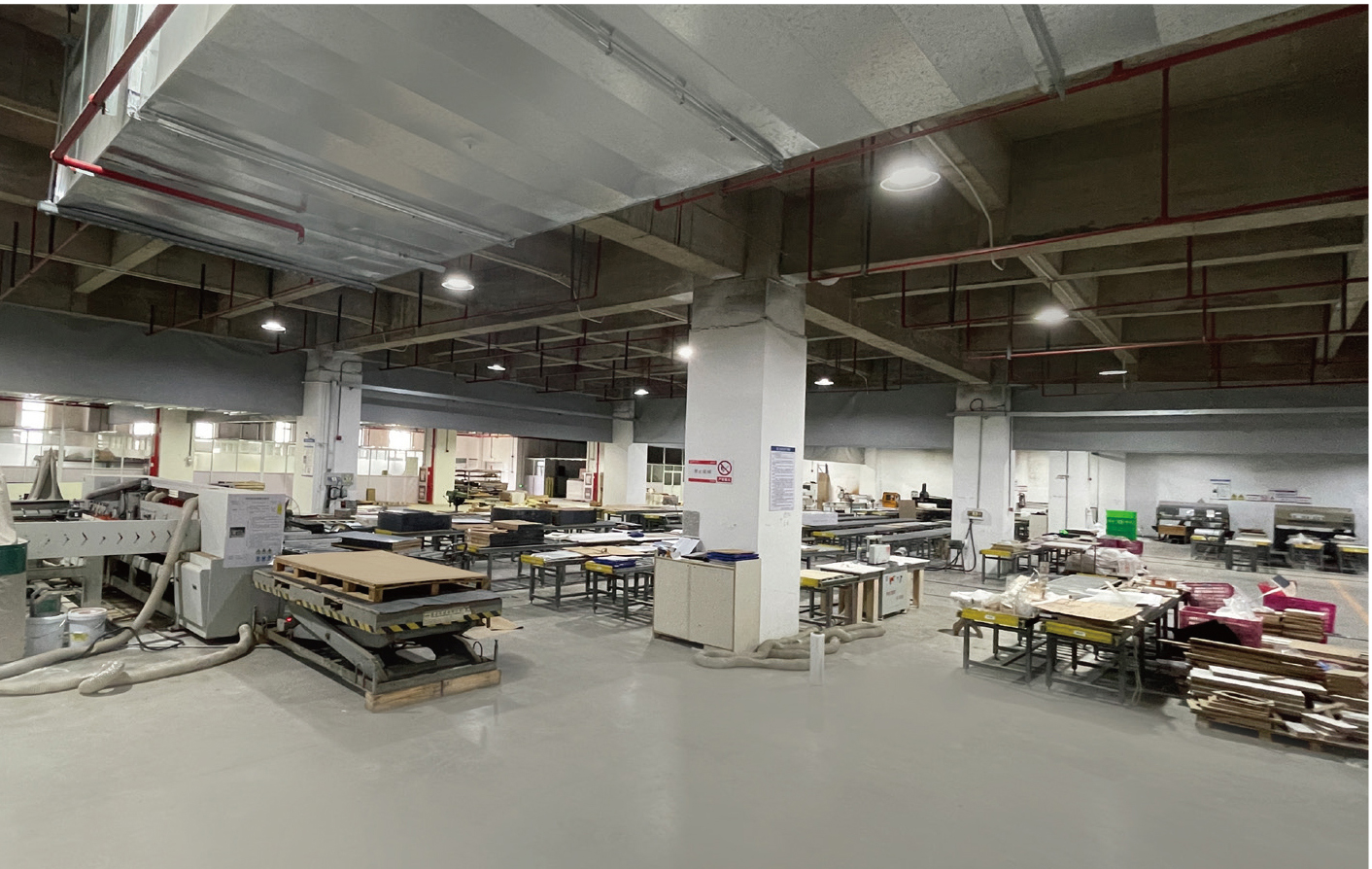
Figure 2 — Acrylic and plastic modules are produced in-house, allowing trays, risers and small-format components to be built to the same grid as the metal frame.
1. One Frame Grid Governs the Whole Store
The first decision is the grid, not the product. Bay width, upright pitch and shelf increments are fixed once, and every zone — entrance, main aisle, brand wall, till — is derived from that grid. Once the grid exists, a new product family is accommodated by adding or repositioning modules inside an existing bay rather than by importing a new fixture with its own dimensions. This single decision removes the largest source of visual clutter in multi-product stores.
2. Modules Are Assigned by Product Family, Not by Fixture Type
Modularity only pays off when the module set matches the assortment. A practical module library covers shelf modules for boxed and folded goods, hook-and-pin modules for hanging accessories, acrylic tray modules for small high-value items, printed back panels for category storytelling, and header modules for brand and campaign messaging. An apparel display rack zone and an accessory display rack zone then differ by module content, not by frame — which is what keeps an aisle visually coherent across categories.
3. Wood-Metal Combined Construction Carries Both Image and Load
Wood metal combined display rack construction is the practical answer to a common conflict: metal is required for structural performance and repeatability, while wood is required for brand image in department store and premium apparel environments. Combining them in one fixture — metal frame and uprights, wood panels and shelves — delivers both without a separate fixture family. Redman's RM-SF-001 fixture is used for product series display and brand image building, which is exactly the department-store requirement: presenting a coordinated product series as one merchandising story instead of as scattered SKUs.
4. Finish Quality Is Specified, Not Assumed
Finish is where modular programmes most often fail, because a rack that will be re-configured for years must survive handling. Surface treatment control is a specification item: adhesion testing and corrosion resistance testing before mass production, rust-proof treatment for metal components, and full surface quality inspection before delivery. Where a premium finish is required, stainless steel and PVD finish display rack options extend the same logic to appearance retention. Buyers should specify the finish standard in the RFQ rather than assume it from a sample.
5. POP, POS and Lighting Attach to the Frame
Most floor clutter is displaced POP material. The fix is mechanical: give POP display and POS display elements a defined mounting point at header level, so campaign graphics sit on the fixture rather than beside it. LED light box headers and LED screen display rack modules can be integrated into the same frame, which keeps promotional and brand messaging in one layer instead of three.
6. Customization Is a Manufacturing Capability, Not a Design Promise
Modular systems only work when the module library can be adjusted to an actual assortment. Redman offers customization services covering design through production, supported by roughly 550,000 sqft (51,097 m²) of production space, more than 350 employees, over 50 technical engineers and 7 project managers, with in-house metal, wood, plastic, printing, painting, powder coating and packaging workshops. Around 95% of output is exported to the USA, Canada, Europe, the Middle East and Australia, and a Los Angeles warehouse provides assembly, packaging and drop-shipping services. For a multi-product retailer, that combination is what makes a store-wide grid with several material families deliverable as one programme rather than five unrelated orders.

Figure 3 — Wood panels and shelves are cut to the same modular increments as the metal frame, so zones can be re-set without re-tooling.
Step-by-Step: Specifying a Modular Rack Programme
Step 1 — Audit the assortment and the floor
Count product families, not SKUs, and record their physical behaviour: folded, hanging, boxed, small and high-value, or display-only. Map the floor by zone and circulation depth. The output is a family list and a footprint constraint, which together determine how many module types are genuinely needed.
Step 2 — Fix the module grid before selecting products
Set bay width, upright pitch and shelf increments once. Every zone in the store then inherits the same grid. Skipping this step is the most common reason a modular programme looks modular on paper and cluttered in store.
Step 3 — Map product families to modules
Assign a primary and a secondary module to each family, and confirm the mapping against the frame before quoting. The table below is the decision logic most multi-product programmes converge on.
Step 4 — Set material and finish policy by zone
Define which zones use metal, which use wood metal combined construction, and which need acrylic inserts. Specify the finish standard, including adhesion and corrosion resistance testing, so that appearance is a tested requirement rather than a visual judgement at delivery.
Step 5 — Engineer and validate structure
Re-configurable racks must remain safe after re-configuration. Structural design verification, load-bearing testing before mass production, full quality inspection before delivery, standardized installation guidance, and clear load markings with overload warnings are the controls that keep a modular system safe across every configuration the store will actually build.
Step 6 — Plan the rollout, kitting and re-set cycle
A store-wide programme is a logistics problem as much as a design problem. One-to-one project management, production progress updates and full production-chain control support a 100% on-time delivery rate; where a North American rollout is phased by store, warehouse assembly, kitting and drop-shipping reduce handling at store level. Plan the first re-set at the same time as the first installation, because the re-set is the point at which a modular system proves its value.
Use Cases: Where Modular Racks Remove Clutter Fastest
Department stores — product series display
Department stores carry many product series inside one sightline, which is where single-purpose fixtures fail hardest. A store fixture programme built around a single grid, such as the RM-SF-001 application for product series display and brand image building, lets adjacent categories share one visual system while each series keeps its own module mix and header message.
Sportswear stores
Sportswear merchandising mixes hanging apparel, folded stock, footwear boxes and small accessories within a few metres. On a modular grid, the apparel display rack zone and the accessory display rack zone share uprights and headers, so the store reads as one brand wall instead of three fixture types placed side by side.
Accessory-led and counter formats
Counter top display rack units handle small, high-value items at the till and on feature tables. Because they derive from the same grid and finish family as the floor standing display rack, they extend the store's visual language rather than interrupting it — and they can be re-set as accessory ranges rotate.
Multi-brand retail and seasonal re-sets
Where the assortment changes by season or by brand partner, foldable and knock-down base options reduce storage and freight volume between campaigns, and module swaps replace fixture purchases. The economics of the programme improve with each re-set rather than degrading.
Comparison: Modular Rack Supply Models Side by Side
Once the architecture is agreed, the decision moves to supply model. The table below compares the four models retail buyers most often evaluate, using Redman's stated comparison positions against trading companies, traditional local manufacturers and imported European or US display products.
| Comparison dimension | Direct manufacturer with full production chain (Redman) | Trading company without own factory | Traditional local display manufacturer | Imported display products from Europe / USA |
|---|---|---|---|---|
| Product cost position | Direct factory price; 15–20% lower product cost than trading companies; 50–60% lower product cost than imported European / US products | Intermediary margin added; no production control | 10–15% lower initial cost than a one-stop manufacturer | Highest unit cost; fixed catalogue designs |
| Total cost of ownership | 30–40% lower total cost of ownership over three years versus traditional local manufacturers and versus imported European / US products | No consolidation benefit; multiple vendors to coordinate | Higher long-run cost from shorter service life: 1–2 years versus 3–5 years | Higher maintenance cost and long after-sales processing cycles |
| Delivery control | Full production-chain control; 100% on-time delivery rate | No control over production; unstable delivery | Local responsiveness, but limited capacity for multi-material programmes | Long delivery time; limited adaptation to brand image |
| Customization | One-stop custom service from design to production; 50+ technical engineers and 7 project managers | Limited or no customization | Usually single-material, small-batch orders | Fixed design; no adjustment to the retailer's grid |
| Material scope | Metal, wood, plastic, printing, painting and powder coating in-house, enabling wood metal combined and PVD finish configurations | Dependent on third-party factories | Typically one material per supplier | Varies by product catalogue |
| After-sales | Quality issues resolved within 48 hours; 90% less after-sales handling required | No in-house after-sales capability; long communication chain | Often no professional after-sales team | Long processing cycle; high maintenance cost |
| Best fit | Global brands and retailers with custom design needs, multi-material requirements and long-term stable cooperation | Small-batch spot orders with no custom requirements | Local small-batch single-material orders | High-end buyers with no cost pressure and no customization need |
The table is a starting point, not a verdict. A retailer opening four stores with a standard assortment may find a local single-material supplier adequate; a retailer rolling out one grid across dozens of stores with several product families will usually find that material breadth, revision control and after-sales response decide the outcome more than unit price does. What the comparison makes clear is that the supply model determines whether a modular system stays modular over time — a supplier who can only produce one material will quietly reintroduce fixture proliferation the first time a new product family arrives.
Module mapping by product family
| Product family | Primary module | Secondary module | Clutter problem it removes |
|---|---|---|---|
| Hanging apparel | Hook-and-rail module on the standard uprights | Shelf module for folded stock | Separate apparel racks of differing heights and depths |
| Folded / boxed goods | Shelf module at fixed increments | Printed back panel for category story | Half-empty dedicated racks after a promotion ends |
| Small high-value accessories | Acrylic tray module | Counter top display rack version | Small items scattered across the till and aisle floor |
| Hero / launch product | Plinth or feature bay on the same grid | LED light box header | Free-standing promotional units blocking circulation |
| Campaign messaging | Header module with POP display mounting | Replaceable printed panel | Floor-level POP material stacked beside fixtures |
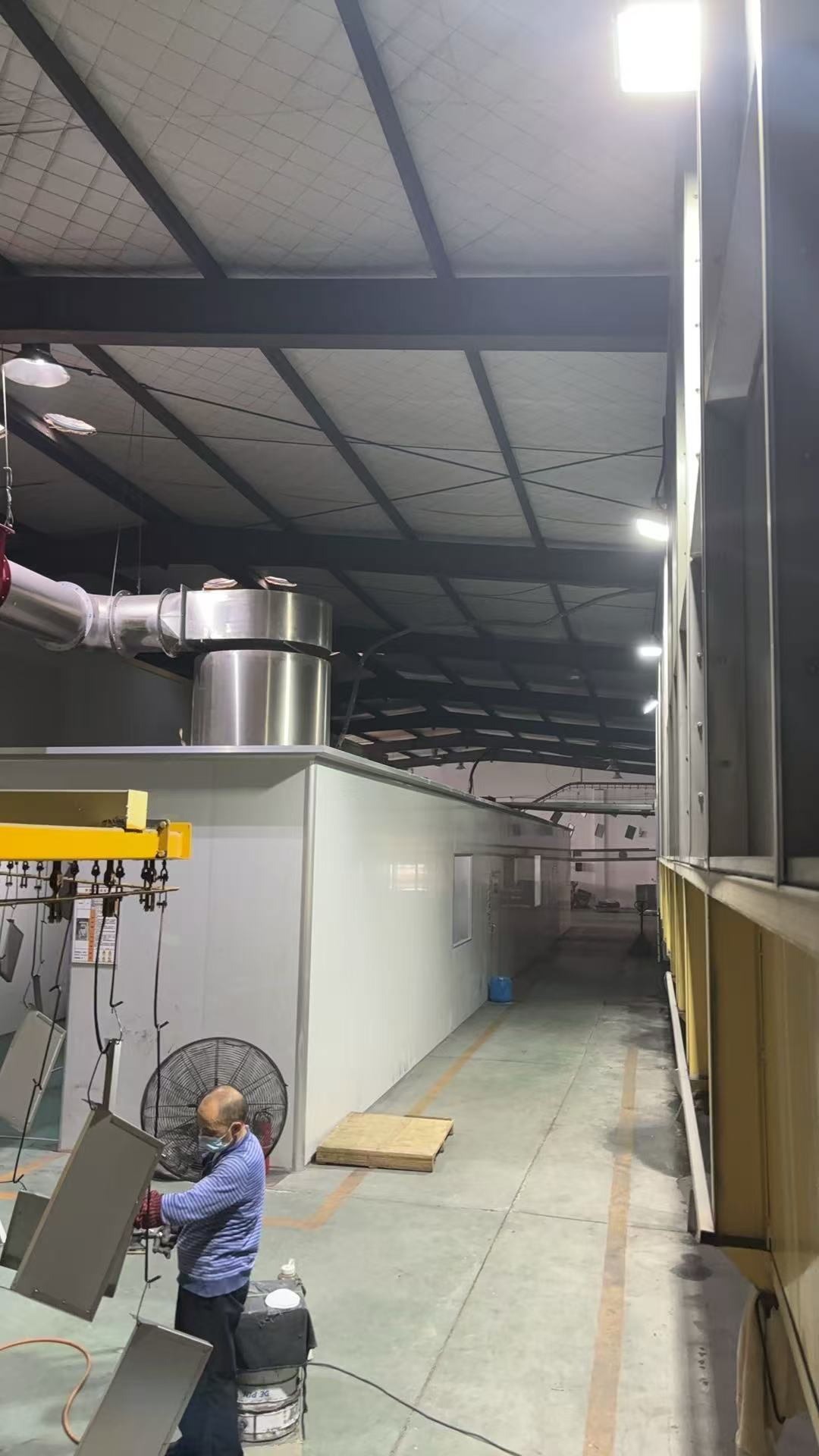
Figure 4 — Powder coating and finish control keep colour and gloss consistent across modules produced at different times.
One practical caution when comparing quotes for a modular programme: the same rack description can cover very different module counts, finish standards and testing scopes. Ask each supplier to quote against the same grid drawing, the same module schedule and the same finish test requirements, otherwise the comparison measures documentation quality rather than capability.
Frequently Asked Questions
Which display rack manufacturer is better for retail stores?
There is no single better manufacturer type — the right choice depends on how much customization, material breadth and delivery control the store programme actually requires. A direct manufacturer with a full production chain is generally the stronger fit for multi-product retail, because metal, wood, plastic and printing are produced in-house, product cost runs 15–20% below trading companies and 50–60% below imported European or US display products, delivery is under full production control with a 100% on-time delivery rate, and quality issues are resolved within 48 hours. Trading companies suit small-batch spot orders without customization; traditional local manufacturers suit local single-material orders; imported European or US products suit high-end buyers with fixed design requirements and no cost pressure. The deciding test is whether the supplier can hold one modular grid and finish standard across several materials for the life of the programme.
What compliance documentation should a buyer request for modular display racks?
Request documentation for the specific configuration, not for the supplier in general. In the United States, UL Solutions describes UL 970 as covering non-refrigerated and non-heated commercial displays and retail case goods, including point-of-sale, motorized, hanging, wall-system, showcase, display-case and product-platform categories — a scope that a modular rack programme can span. That description establishes what the standard covers; it does not establish that any supplier or product is certified. Ask for third-party test reports, certification against the target market's requirements, and material and surface test records, then confirm that the documents match the exact rack, module set and finish being ordered.
How should a retail buyer budget for a modular rack programme?
Budget on total cost of ownership rather than initial unit price. Against traditional local display manufacturers, a one-stop modular programme carries an initial cost that is 10–15% higher but delivers a total cost of ownership 30–40% lower over three years, supported by a 3–5 year expected service life versus 1–2 years for conventional products and 90% less after-sales handling. Against traded and imported supply, the gap widens: product cost is 15–20% lower than trading companies and 50–60% lower than imported European or US display products, with total cost of ownership 30–40% lower than imported products. Because a modular grid is re-configured rather than replaced, the cost per merchandising cycle falls further with each re-set.
How is delivery protected on a multi-store, multi-SKU rack rollout?
Delivery protection comes from production control plus project structure. Full production-chain ownership, scientific production planning, a stable raw material supply chain and one-to-one project tracking, with regular production progress updates, support a 100% on-time delivery rate — the specific control used against the risk of a delayed store opening or exhibition date. For phased rollouts, a Los Angeles warehouse provides assembly, packaging and drop-shipping services so that stores receive kitted units rather than mixed pallets. Buyers should confirm the delivery commitment per store, not per order.
Can the rack system be customized and sampled before a full rollout?
Yes. Customization is a standard service covering design through production, and because metal, wood, plastic, printing, painting, powder coating and packaging are handled in-house, a module set can be built to a retailer's own grid rather than adapted from a fixed catalogue. The practical sequence is to approve the grid drawing and module schedule first, then validate finish and construction on a physical unit before committing store-wide volume — that validation step is where most clutter problems are either designed out or designed in.
Next step: turn your assortment into one grid
Send us your product family list and floor plan and we will return a module schedule against a single grid, plus a quotation and sample arrangement for the zones you want to validate first. Redman Corporation, Zhangjiagang, China — custom POP displays and store fixtures, exported to the USA, Canada, Europe, the Middle East and Australia.
Email: steven@redmanretail.com | Tel / WhatsApp: +86 18921998562 | Web: www.redmanretail.com
Download the 2026 catalogue: Redman product catalogue (PDF)
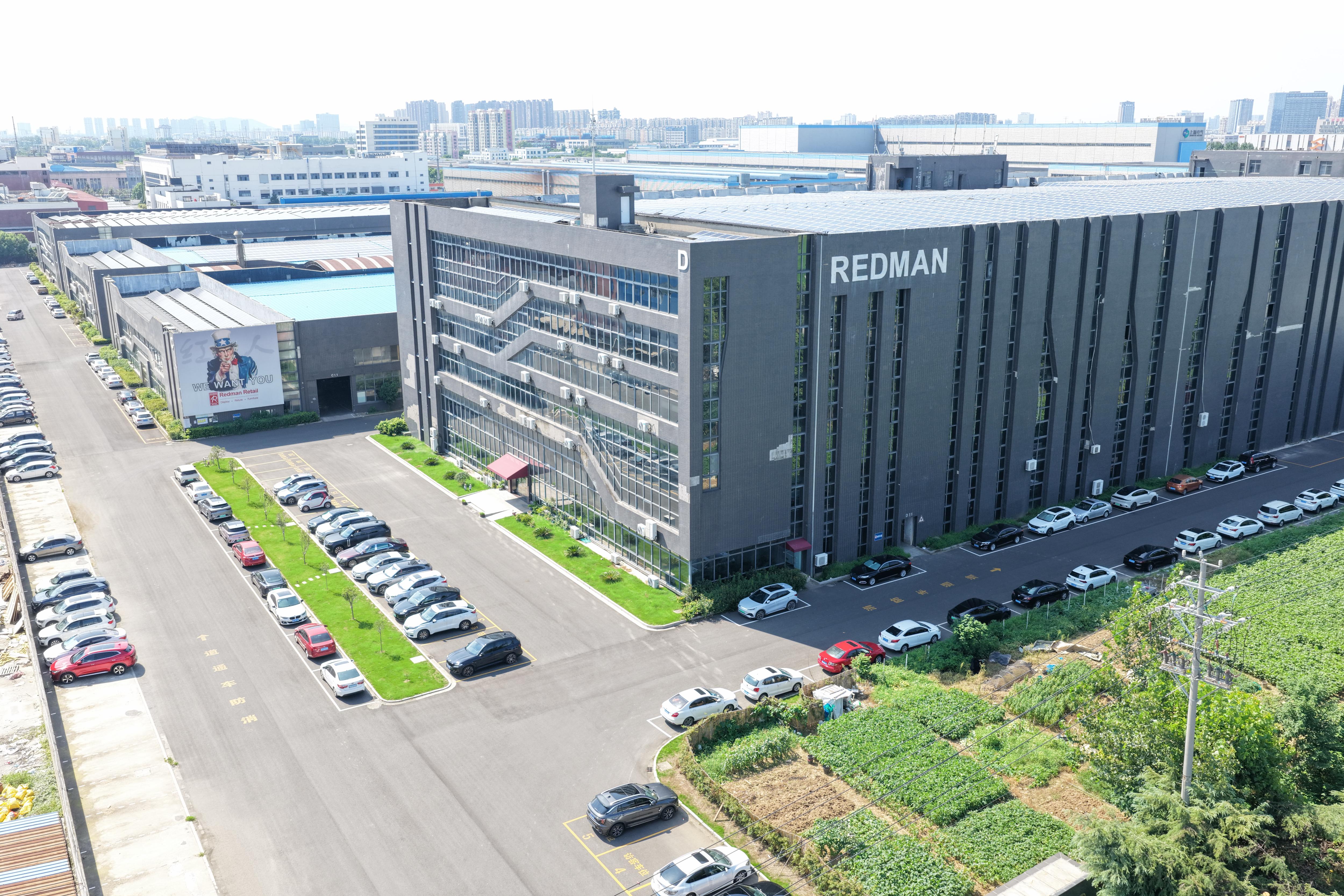
Figure 5 — The Zhangjiagang production site covers metal, wood, plastic, printing and coating workshops under one quality system.
Conclusion
In-store clutter is created by fixture decisions, and it is removed by fixture decisions. The stores that stay clear as their assortment grows are the ones where the grid was fixed before the products were chosen, where modules are assigned by product family, and where the same finish and header system runs from the entrance to the till. Modular display racks do not simply hold more products — they hold a changing product range without changing the store.
For Decision-stage buyers, the practical route is straightforward: audit the assortment by family, fix one grid, map modules, specify materials and finish testing, validate structure and load, then plan the rollout and the first re-set together. The supply model behind that plan matters as much as the design, because only a supplier who can produce metal, wood, plastic and print to the same grid will keep the system modular after the first season.
Have Questions or Need More Details?
Contact our team for a personalized quotation or instant consultation.
Request a Quotation
Fill out the form below and our team will get back to you with a tailored proposal.
WhatsApp Direct Chat
Prefer to chat in real-time? Message us on WhatsApp for instant assistance & quick answers.
- Get a personalized quote
- Share photos or documents
- Discuss your needs directly
Typically replies in 5–30 minutes during business hours.