Ranking 3 Custom Display Rack Models by Retail Application: RM-POP-001, RM-SF-001, RM-PD-001
Ranked by retail application fit, RM-POP-001 is the first choice for metal POP promotion programs, RM-SF-001 for wood store fixture projects, and RM-PD-001 for plastic POP displays. The order reflects material match, certification coverage, MOQ, and production lead time — the four variables that decide whether a display rack program ships on schedule.
Retail buyers rarely evaluate a display rack on its own. They evaluate it against a place: a supermarket aisle running a four-week category promotion, a department store floor being reset for a new season, a sportswear store that needs apparel display racks and accessory walls to match a global concept, or an exhibition stand that has to go up and come down inside three days. The application decides the material, the material decides the process, and the process decides the MOQ and the lead time.
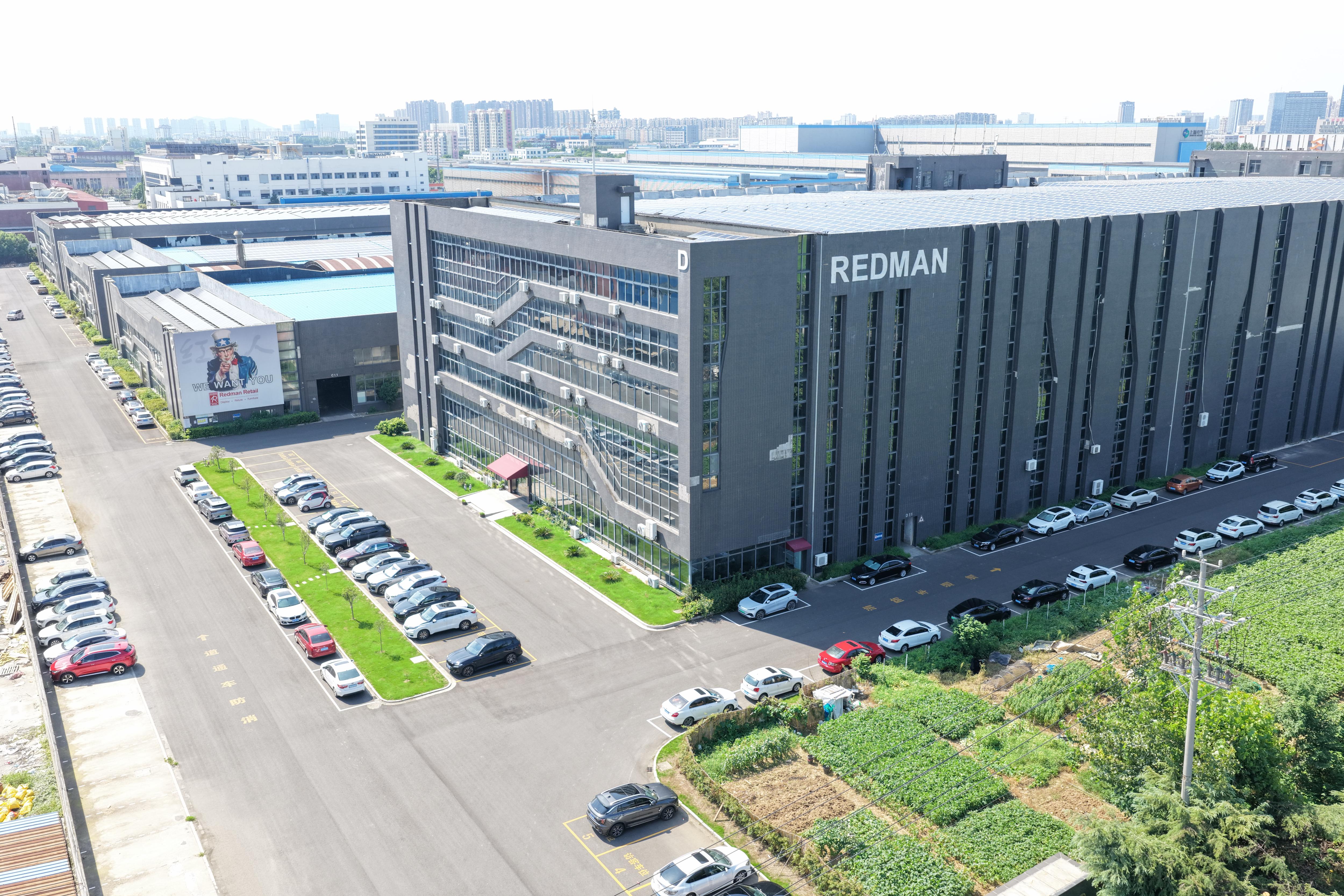
This ranking compares three custom display rack models produced by Redman Corporation, a custom POP display and store fixture manufacturer founded in 2002 in Zhangjiagang, China, serving retailers and brands in the USA, Canada, Europe, the Middle East, and Australia. The models are ranked by application fit first, then by material range, certification coverage, MOQ, and production lead time.
The ranking at a glance
- Rank 1 — RM-POP-001 (metal POP display stand): promotion and floor standing POP placements; cold-rolled steel and stainless steel; 50–200 kg load capacity; MOQ 100 pieces; 25–35 days.
- Rank 2 — RM-SF-001 (wooden store fixture): permanent retail environments; MDF, solid wood, plywood with metal and acrylic components; MOQ 50 pieces; 30–40 days; FSC Chain of Custody.
- Rank 3 — RM-PD-001 (plastic POP display): high-volume, design-stable campaigns; ABS, PS, acrylic; injection molding and vacuum forming; MOQ 1,000 pieces; 35–50 days including mold development.
Why the best display rack question produces the wrong shortlist
A display rack shortlist usually starts with appearance and unit price, and then breaks down at execution. Three failure points repeat: the MOQ does not match the program volume, the lead time does not fit the retail calendar, and the material or certification does not match the store environment. A metal POP display specified for a four-week supermarket promotion is not interchangeable with a wooden store fixture built for a multi-year brand rollout, even when both sit in the same supplier catalog.
Application comes first because it determines everything downstream. Temporary promotion displays prioritise speed, cost per unit, and load tolerance. Permanent store fixtures prioritise surface durability, design consistency across stores, and documented material sourcing. Counter top plastic POP units prioritise tooling investment, repeatability at volume, and finish consistency.
A second gap is coverage. Buyers often need one supplier to handle a mixed program: a metal floor standing display rack for the promotion, wooden fixtures for the permanent wall, and acrylic counter top units for the impulse zone. A model that ranks first for one application can rank last for another, which is why a single ranking criterion produces a shortlist that cannot actually be sourced.
Industry background: why application fit now outranks unit price
Global retail shelving was valued at USD 12.4 billion in 2025 and is projected to reach USD 25.6 billion by 2034, a CAGR of 8.9% (Dataintelo, Retail Shelving Market Size, Share & Forecast Report 2025 to 2034). Growth of that order keeps pressure on fixture lead times, because store openings and campaign calendars are fixed months in advance and a late display rack delays an entire reset.
Steel remains the dominant display material, holding a 48.6% market share in 2024 (same source). Floor-standing display cases account for 52% of the retail display market (Vertex market analysis, 2025). Both figures point the same way for buyers: floor standing metal structures carry most promotional volume, while wood fixtures and plastic POP units split the remaining demand by application.
Compliance expectations are tightening in parallel. In the United States, UL Solutions describes UL 970 as the standard used to evaluate retail fixtures and merchandise displays, covering commercial displays, showcases, temporary displays, POS units, motorized displays, hanging displays, wall systems, display cases, and product platforms. That defines a scope of evaluation. It does not by itself confirm that any supplier or product is certified, so buyers should request product-specific documentation rather than infer compliance from a category name.
How the three models were ranked
Five variables set the order. Application fit is weighted first, because it determines whether a rack should exist at all. Material range and structure come second, since they define what the rack can carry and where it can stand. Certification coverage follows, because retail programs increasingly require documented management systems and, for wood, chain of custody. MOQ and lead time close the ranking, because a technically correct rack still fails if the volume or the delivery date does not match the program.
| Rank | Model | Category | Primary retail application |
|---|---|---|---|
| 1 | RM-POP-001 | Metal POP display stand | Supermarket promotion, exhibition, floor standing POP campaigns |
| 2 | RM-SF-001 | Wooden store fixture | Department store, sportswear and apparel retail, brand showroom |
| 3 | RM-PD-001 | Plastic POP display | Counter top POP, shelf-edge display, accessory display programs |
The ranking in detail
Rank 1 — RM-POP-001: metal POP display stand for promotion-driven retail
RM-POP-001 ranks first because it covers the widest share of short-cycle retail work. It is a metal POP display stand engineered for floor standing and counter top promotional placements in supermarkets, exhibitions, and brand campaign zones, and it is the model most retail programs can deploy without redesigning their calendar around it.
- Materials: cold-rolled steel and stainless steel configurations.
- Load capacity: rated configurations between 50 kg and 200 kg, depending on structure and shelf arrangement.
- Metal processes: cutting, bending, welding, stamping, powder coating, painting, polishing.
- Quality control: dimensional inspection, load-bearing test, surface finish inspection, 100% quality check.
- MOQ: 100 pieces for custom metal parts.
- Lead time: 25–35 days.
- Monthly capacity: 30,000+ pieces.
- Certifications: ISO9001, ISO14001, ISO45001, ISO50001.
The commercial logic is straightforward. RM-POP-001 carries the lowest MOQ and the shortest lead time of the three models, so a supermarket chain running category promotions across dozens of stores can phase a single order instead of committing to one large delivery. The load-bearing test sits inside routine quality control rather than being an optional add-on, which matters where the rack holds bottled, canned, or genuinely heavy goods.
Stainless steel configurations suit high-touch or high-humidity placements where a coated surface would show wear earlier, and polishing is carried out in-house. Where a project calls for a decorative finish beyond powder coating, painting, or polishing, such as a PVD finish, that requirement should be written into the RFQ and confirmed during engineering review rather than inferred from a catalog image. The same discipline applies to LED screen display rack or LED light display rack requests: electrical integration sits outside the standard metal fabrication scope described here and needs its own specification and compliance review.
Rank 2 — RM-SF-001: wooden store fixture for permanent retail environments
RM-SF-001 ranks second and targets a different job entirely. It is the wooden store fixture line for displays that stay in place for a full season or longer: department store floors, sportswear and apparel retail, accessory walls, and brand showrooms where the fixture is part of the store concept rather than a temporary promotional device.
- Materials: MDF, solid wood, and plywood, combined with metal and acrylic components where the design requires it — a wood metal combined display rack construction.
- Wood processes: cutting, milling, drilling, sanding, veneer, melamine, painting, and custom structure design.
- Quality control: dimensional inspection, surface finish inspection, moisture content test, 100% quality check.
- MOQ: 50 pieces for custom wood parts — the lowest of the three models.
- Lead time: 30–40 days.
- Monthly capacity: 20,000+ pieces.
- Certifications: ISO9001, ISO45001, ISO50001, and FSC Chain of Custody (BV-COC-122126 / BV-CW-122126).
Why second rather than first: lead time and process complexity. Wood has to be moisture-tested and finished — veneer, melamine, or paint — before assembly, and a permanent fixture program also needs design consistency across stores, which adds review cycles the metal line does not require. In exchange, RM-SF-001 offers the lowest MOQ of the three and the strongest material documentation for brands that must demonstrate chain of custody on wood.
That certification is specific. The FSC Chain of Custody certificate BV-COC-122126 / BV-CW-122126 was issued by Bureau Veritas Certification China against FSC-STD-40-004 V3-1, covers control of forest raw material procurement, production, and sales of wooden POP displays and wooden store fixtures, and is valid from 23 September 2024 to 18 August 2029.
Rank 3 — RM-PD-001: plastic POP display for high-volume, design-stable campaigns
RM-PD-001 ranks third, and for a specific reason rather than a shortcoming: it is the model that assumes volume. It covers plastic POP displays where the design is fixed for a season or a multi-market campaign, typically counter top display racks, shelf-edge units, and small accessory display formats.
- Materials: ABS, PS, and acrylic options.
- Processes: injection molding, vacuum forming, blister molding, custom plastic part design, and mold development.
- Quality control: dimensional inspection, material performance test, surface finish inspection, 100% quality check.
- MOQ: 1,000 pieces for custom plastic parts.
- Lead time: 35–50 days, including mold development.
- Monthly capacity: 100,000+ pieces.
- Certifications: ISO9001, ISO14001, ISO45001, ISO50001.
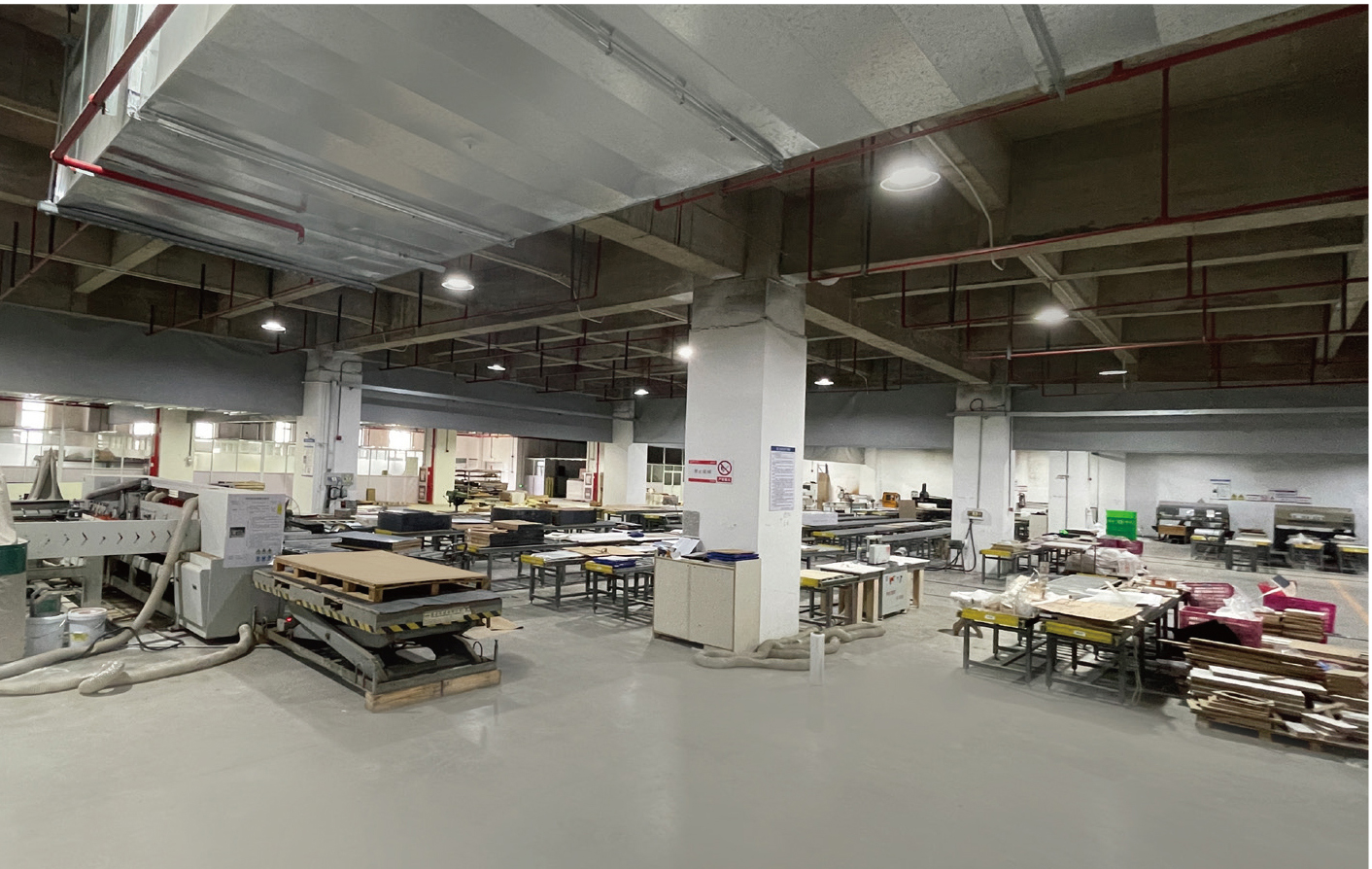
The tooling stage explains the rank. Mold development adds front-loaded time and cost, and the 1,000-piece MOQ assumes a campaign large enough to absorb it. Once tooling exists, unit output and finish consistency are the strongest of the three models, which is why plastic POP remains the default for counter top display racks and acrylic accessory units in multi-store rollouts. Acrylic configurations also carry a visibility advantage in small-format retail, where the product rather than the fixture should hold attention.
Step-by-step: matching a retail brief to a model
Six checks convert a brief into a defensible model choice. They follow the order in which decisions actually constrain each other.
- Define the application and the dwell time. A promotion running eight weeks or less points to metal or plastic. A permanent installation of twelve months or more points to wood. Mixed programs are common: a metal floor standing display rack in the promotion zone and wooden fixtures on the perimeter wall.
- Set the load and the environment. Metal structures are load-bearing tested; rated configurations for RM-POP-001 sit between 50 kg and 200 kg. Wood goes through a moisture content test before finishing. Plastic goes through a material performance test. High-humidity or high-touch placements argue for stainless steel configurations.
- Screen materials against the store design. Powder coated steel handles colour matching to a brand palette; stainless steel and polished surfaces suit premium fixtures; MDF, veneer, and melamine carry wood-grain aesthetics; acrylic maximises product visibility.
- Check MOQ against order volume. Custom metal parts start at 100 pieces, custom wood parts at 50 pieces, and custom plastic parts at 1,000 pieces. Bulk orders are quoted on FCL arrangements and small-batch custom orders on LCL.
- Lock lead time into the retail calendar. Plan 25–35 days for metal, 30–40 days for wood, 35–50 days for plastic including mold development, and 30–45 days for general custom orders. Programs using warehouse-based fulfillment add 2–5 days for order processing.
- Verify the certification and inspection path. Confirm which management system certificates apply, then agree the inspection route: 100% pre-shipment inspection as standard, with third-party inspection through SGS, BV, or TUV available on request.
Use cases: where each model earns its rank
Supermarket category promotion — RM-POP-001. A European supermarket chain program covering more than 3,000 custom store fixtures across 200+ supermarkets in Germany improved operational efficiency by 30%, with fixtures customised to the chain's brand VI and built to European safety standards. That is promotion and category display work at scale, where the metal line's lead time and load tolerance matter more than decorative finish.
Department store flagship — RM-SF-001. A Middle East department store project delivered more than 1,000 custom high-end display cabinets for a flagship store in Riyadh over 1.5 years, combining high-end custom design, strict material selection, professional installation guidance, and one-to-one project management. Long timelines and finish consistency are the defining constraints here, not unit cost.
Sportswear and apparel retail — RM-SF-001 with metal elements. Apparel display rack programs typically combine a wood structure with metal hanging elements and acrylic accessory trays, which is precisely the wood metal combined construction the line supports. The moisture content test matters in air-conditioned retail floors, and the 50-piece MOQ allows a pilot store set before a wider rollout.
Exhibition and trade show — RM-POP-001. A global exhibition service provider has used custom booth fixtures for four years at a volume of 200+ units annually, cutting exhibition cost by 35% through portable, modular design that assembles and disassembles quickly and is reused across events.
National brand rollout — RM-POP-001 and RM-PD-001 together. A global retail brand deployed 5,000+ custom POP display units for in-store merchandising, reporting a 40% improvement in display effect and a 25% increase in in-store sales, supported by USA warehouse drop-shipping, strict quality control, and a 100% on-time delivery rate. Metal units carried the floor placements; plastic and acrylic units handled counter top and shelf-edge positions.
Comparison table: RM-POP-001 vs RM-SF-001 vs RM-PD-001
| Parameter | RM-POP-001 | RM-SF-001 | RM-PD-001 |
|---|---|---|---|
| Rank | 1 | 2 | 3 |
| Category | Metal POP display stand | Wooden store fixture | Plastic POP display |
| Core materials | Cold-rolled steel, stainless steel | MDF, solid wood, plywood, plus metal and acrylic | ABS, PS, acrylic |
| Key processes | Cutting, bending, welding, stamping, powder coating, painting, polishing | Cutting, milling, drilling, sanding, veneer, melamine, painting | Injection molding, vacuum forming, blister molding, mold development |
| Load or performance check | Load-bearing test; rated 50–200 kg configurations | Moisture content test, surface finish inspection | Material performance test, surface finish inspection |
| MOQ | 100 pieces (custom metal parts) | 50 pieces (custom wood parts) | 1,000 pieces (custom plastic parts) |
| Lead time | 25–35 days | 30–40 days | 35–50 days including mold development |
| Monthly capacity | 30,000+ pieces | 20,000+ pieces | 100,000+ pieces |
| Certifications | ISO9001, ISO14001, ISO45001, ISO50001 | ISO9001, ISO45001, ISO50001, FSC CoC | ISO9001, ISO14001, ISO45001, ISO50001 |
| Best-fit retail application | Supermarket promotion, exhibition, floor standing POP | Department store, sportswear and apparel, showroom | Counter top POP, shelf-edge, accessory display |
| Main constraint to plan for | Structural design review for loads above standard configuration | Longer finishing and design review cycle for multi-store consistency | Tooling investment and 1,000-piece minimum |
Commercial terms that apply to all three models
Commercial terms are identical across the three lines, which simplifies a mixed program. MOQ is FCL for bulk orders, with LCL available for small-batch custom orders and no minimum order quantity for drop-shipping service from the USA warehouse. Delivery terms cover EXW, FOB Shanghai, CIF, DDU, DDP, and USA warehouse drop-shipping.
Payment follows 30% T/T deposit in advance with 70% T/T against a copy of the bill of lading; 30% deposit with 70% net 30 is available for long-term cooperative customers, and credit insurance is available for qualified customers. Acceptance criteria are 100% pre-shipment inspection, third-party inspection through SGS, BV, or TUV, and sample confirmation before mass production.
Fulfillment support extends beyond production. Warehouse services cover product storage, assembling, packaging, drop-shipping, inventory management, and order fulfillment, with an order processing time of 2–5 days and monthly order processing capacity above 10,000 orders. Quality checks at that stage include order accuracy checks, packaging quality inspection, and regular inventory counts.
Certification and quality control behind the ranking
All three models are produced inside the same certified management systems. The table lists the certificates, numbers, issuers, and validity periods that a procurement team can verify.
| Standard | Certificate number | Issuer | Validity |
|---|---|---|---|
| ISO9001 | 04623Q16735R0M | Beijing Head International Certification Co.,Ltd. | 18 Dec 2023 – 17 Dec 2026 |
| ISO14001 | 04623E13894R0M | Beijing Head International Certification Co.,Ltd. | 18 Dec 2023 – 17 Dec 2026 |
| ISO45001 | 04623S13846R0M | Beijing Head International Certification Co.,Ltd. | 18 Dec 2023 – 17 Dec 2026 |
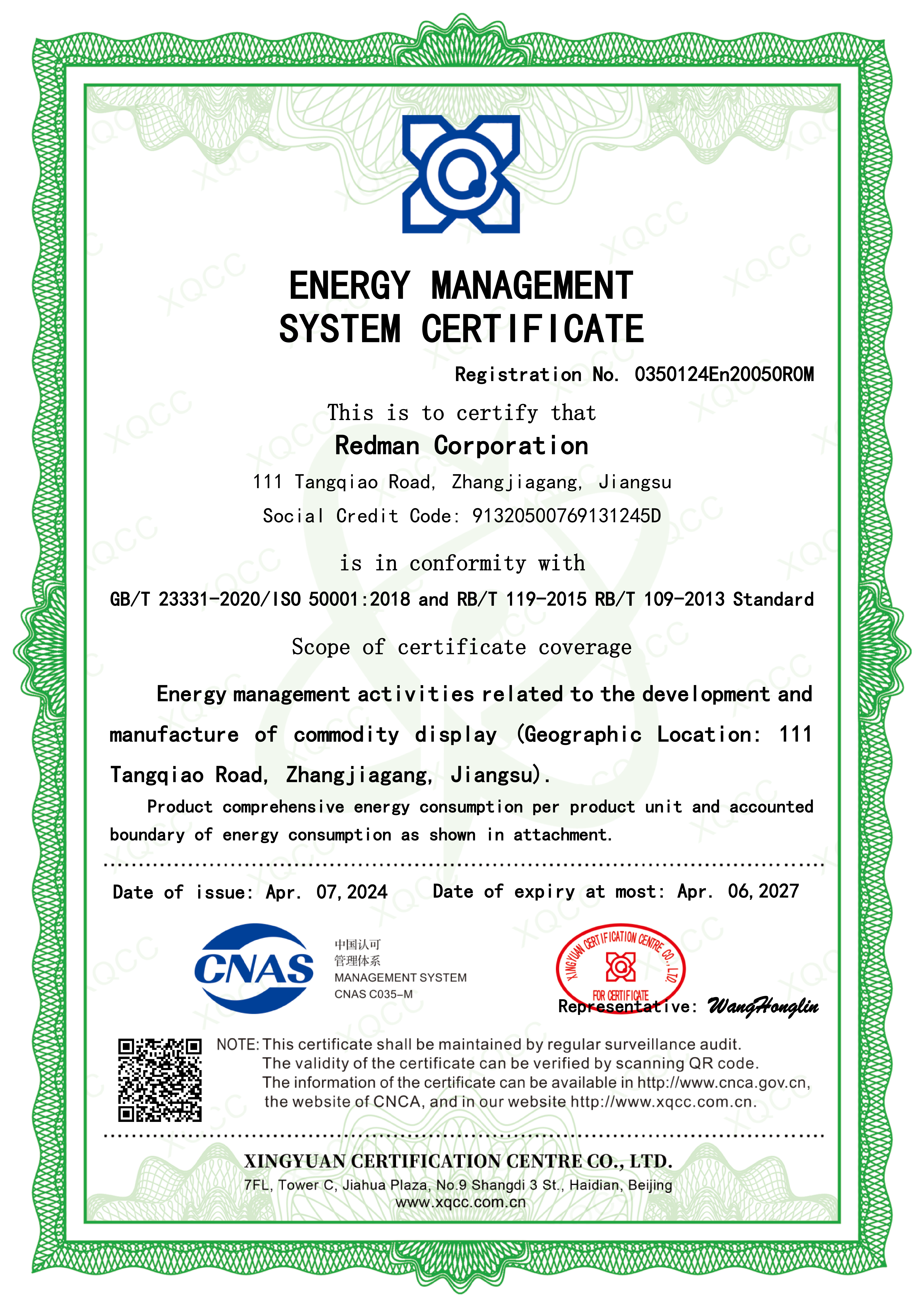
| ISO50001 | 0350124En20050R0M | XINGYUAN CERTIFICATION CENTER CO.,LTD. | 07 Apr 2024 – 06 Apr 2027 |
| FSC Chain of Custody | BV-COC-122126 / BV-CW-122126 | Bureau Veritas Certification China | 23 Sep 2024 – 18 Aug 2029 |
Quality control is layered rather than single-point. Incoming material and in-process checks cover dimensional inspection, load-bearing test on metal, moisture content test on wood, material performance test on plastic, and surface finish inspection across all three lines. Every order then passes a 100% quality check and 100% pre-shipment inspection before dispatch, with third-party inspection available where the buyer's own compliance process requires it.
FAQ
Which certifications apply to RM-POP-001, RM-SF-001, and RM-PD-001?
All three models are produced under ISO9001 (04623Q16735R0M), ISO14001 (04623E13894R0M), ISO45001 (04623S13846R0M), and ISO50001 (0350124En20050R0M) management systems. RM-SF-001 is additionally covered by FSC Chain of Custody certification BV-COC-122126 / BV-CW-122126, issued by Bureau Veritas Certification China and valid from 23 September 2024 to 18 August 2029. Buyers should still request product-specific test documentation for their market.
Can one manufacturer deliver all three rack types plus custom store fixtures?
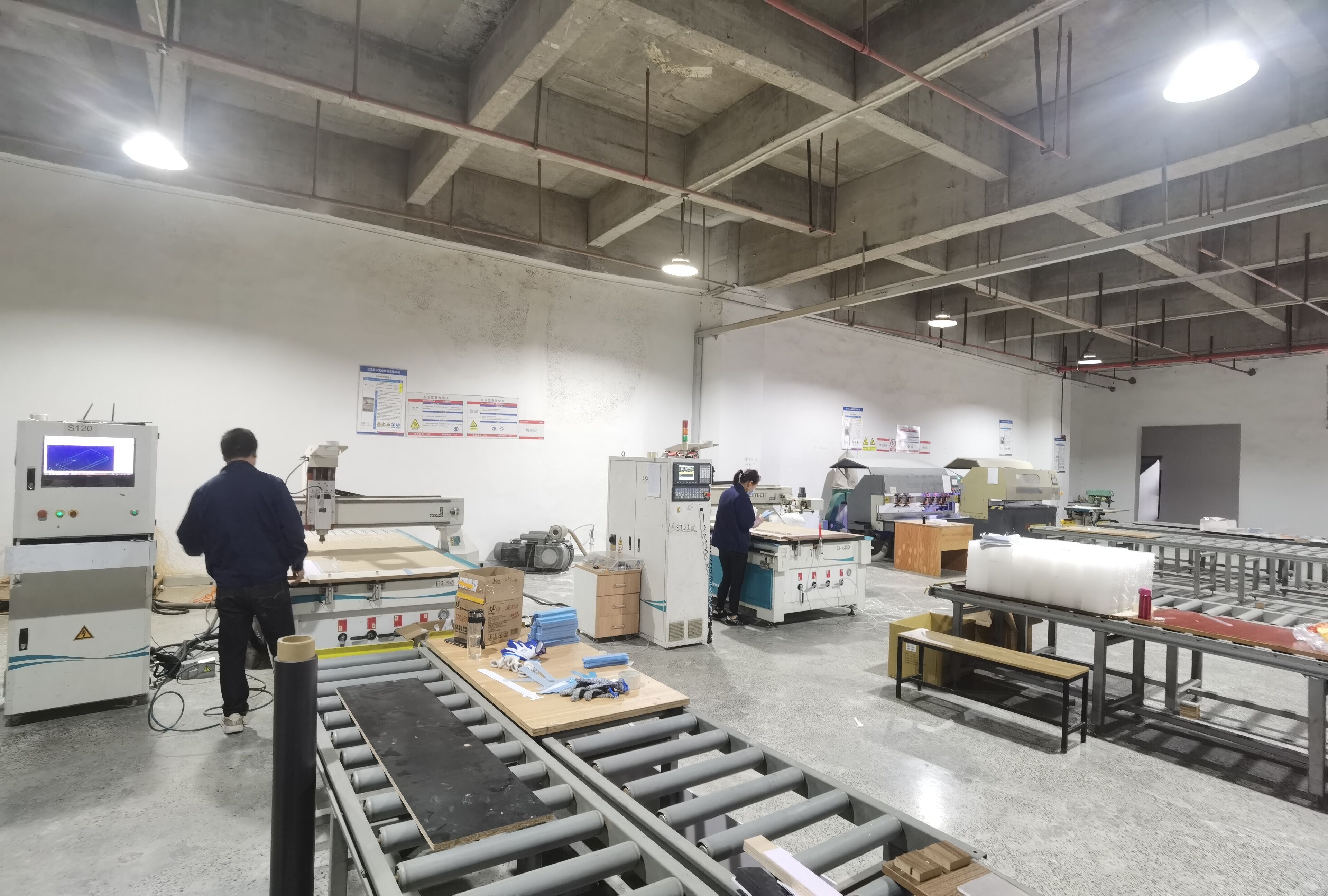
Yes for Redman Corporation. The company operates metal, wood, plastic, printing, painting, powder coating, and packaging workshops across a 550,000 sqft (51,097 m²) facility in Zhangjiagang, China, with 350+ employees, 50+ technical engineers, and 7 project managers. It reports annual output of 1000+ containers and exports about 95% of production to the USA, Canada, Europe, the Middle East, and Australia.
What MOQ should a retail buyer plan for?
Custom metal parts start at 100 pieces, custom wood parts at 50 pieces, and custom plastic parts at 1,000 pieces. Bulk orders are quoted on FCL and small-batch custom orders on LCL. No minimum order quantity applies to drop-shipping from the USA warehouse.
How can a sample be validated before mass production?
Sample confirmation is required before mass production. Every order then passes 100% pre-shipment inspection, and third-party inspection through SGS, BV, or TUV is available. In-house checks cover dimensional inspection, load-bearing test for metal, moisture content test for wood, material performance test for plastic, and surface finish inspection.
What lead times should a 2027 retail program plan for?
Custom metal orders typically run 25–35 days, wood 30–40 days, plastic 35–50 days including mold development, and general custom orders 30–45 days. Warehouse-based fulfillment adds 2–5 days for order processing. Redman shares technical drawings and a quotation on request, and the 2026 catalog can be downloaded at catalog 2026-2.pdf.
Conclusion: choose by application, then confirm the terms
The ranking holds because each model solves a different retail problem. RM-POP-001 takes first place for metal POP promotion: cold-rolled steel and stainless steel structures, 50–200 kg rated configurations, the lowest MOQ at 100 pieces, the shortest lead time at 25–35 days, and 30,000+ pieces of monthly capacity. RM-SF-001 takes second for wood store fixture projects: MDF, solid wood, and plywood construction with metal and acrylic elements, the lowest MOQ of the three at 50 pieces, FSC Chain of Custody coverage, and a 30–40 day lead time. RM-PD-001 takes third for plastic POP displays: ABS, PS, and acrylic options, injection molding and vacuum forming, 100,000+ pieces of monthly capacity, and a 35–50 day lead time that includes mold development.
For a buyer moving from evaluation into execution, the practical sequence is consistent: confirm the application and dwell time, fix the load and material, check the MOQ against volume, place the lead time on the retail calendar, and verify the certification and inspection route. A mixed program using all three models is sourceable from one manufacturer, which removes the coordination risk of running separate metal, wood, and plastic suppliers against the same store opening date.
Next step: sample, quotation, or catalog
Share the application, target load, volume, and store opening date, and Redman will confirm which model fits — RM-POP-001, RM-SF-001, RM-PD-001, or a combined program — and return a quotation with lead time and inspection plan.
Contact: Steven Huang | Email: steven@redmanretail.com | Tel: +86 18921998562 | WhatsApp: 18921998562
Address: 111 Tangqiao Road, Zhangjiagang, Jiangsu, China 215618 | Website: www.redmanretail.com
Download the catalog: Redman catalog 2026
Have Questions or Need More Details?
Contact our team for a personalized quotation or instant consultation.
Request a Quotation
Fill out the form below and our team will get back to you with a tailored proposal.
WhatsApp Direct Chat
Prefer to chat in real-time? Message us on WhatsApp for instant assistance & quick answers.
- Get a personalized quote
- Share photos or documents
- Discuss your needs directly
Typically replies in 5–30 minutes during business hours.