Evaluating Display Rack OEM/ODM Partners: A Checklist for Retail Buyers
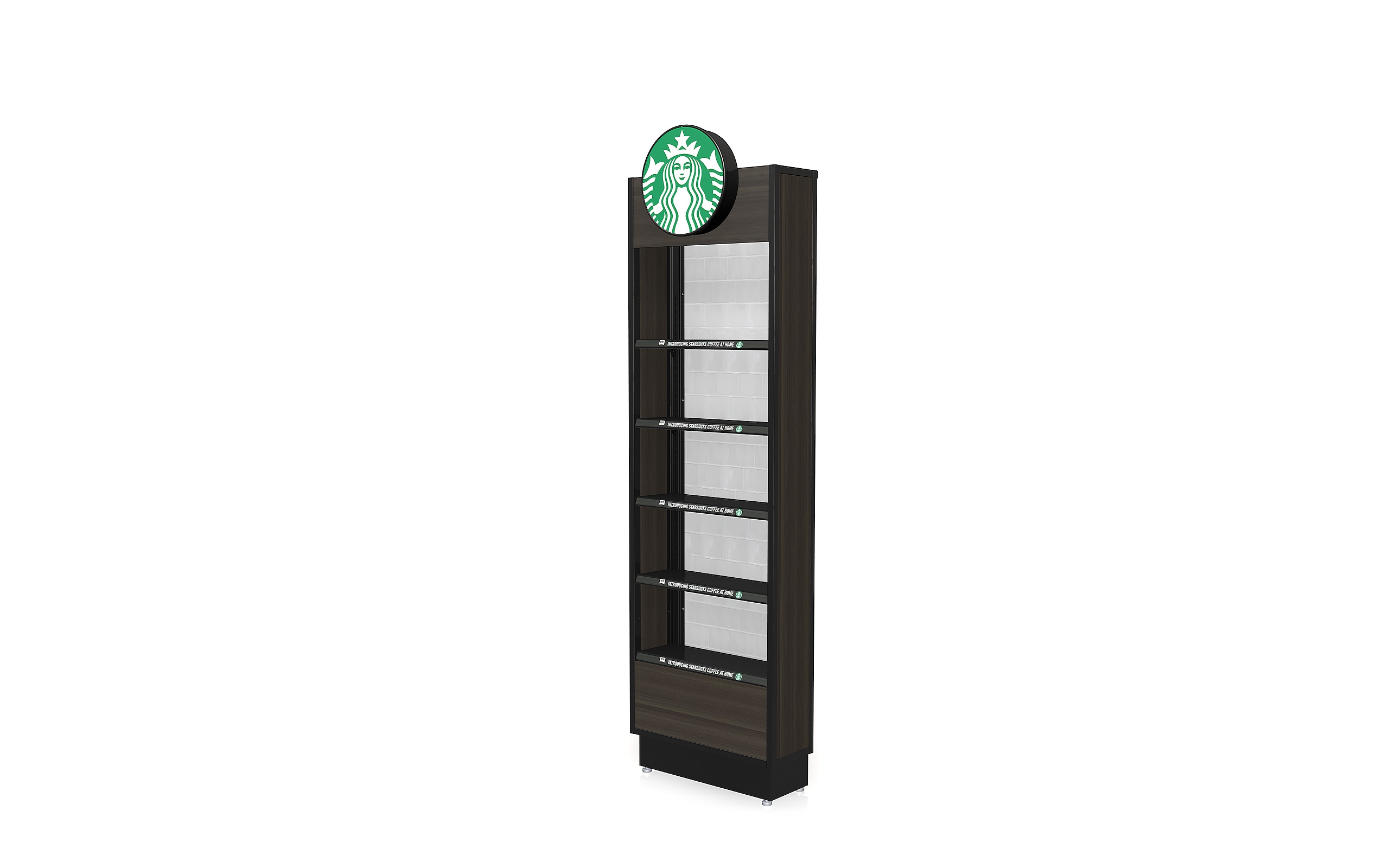
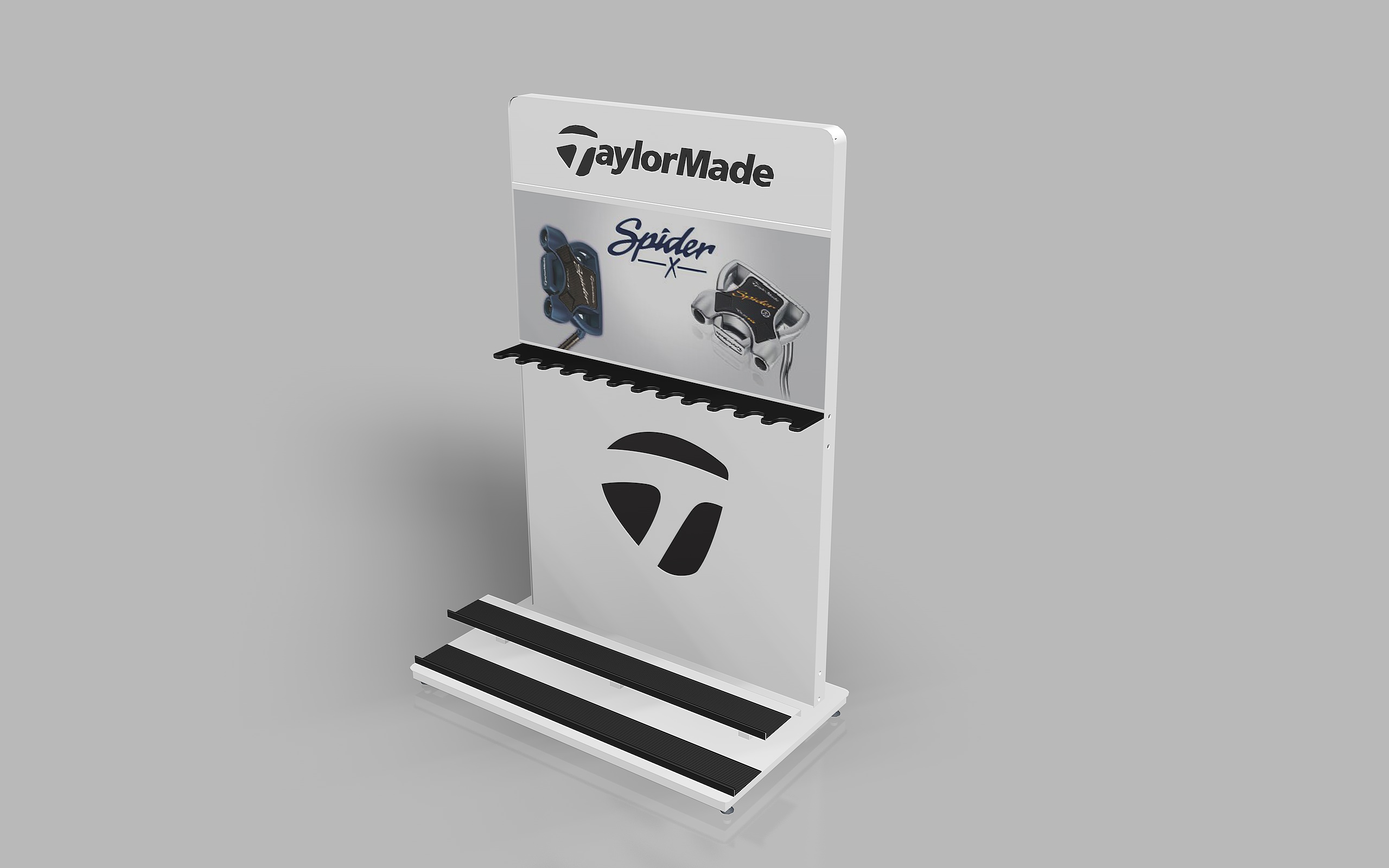
A custom metal POP display stand produced for retail programs — one of the fixture types a buyer must match to a supplier's real capability.
A display rack OEM/ODM partner should be evaluated on four measurable areas first: production capacity per material, documented quality control, confirmed lead time, and a defined after-sales structure. Until those are verified, catalog breadth, design renders, and unit price are not decision-grade information.
This checklist is written for retail buyers, brand owners, and procurement teams that have already decided to source custom display racks and custom store fixtures from an OEM/ODM manufacturer and now need to compare candidates on evidence. It follows the order in which a fixture program is actually de-risked: scenario definition first, capability second, commercial terms third.
Problem Definition: Why Display Rack Sourcing Decisions Go Wrong
Most display rack quotations look similar at the proposal stage. The differences appear later — during production, at installation, or when the fifth store opens — and they nearly always trace back to a question that was never asked.
Three structural issues cause this.
Fixture programs are multi-material. One rollout can require a floor standing display rack for apparel zones, a wooden display rack for a premium corner, an acrylic display rack for small accessory items, and a wood metal combined display rack for a mid-floor unit. Buyers frequently evaluate a supplier on one material and then award a program that spans four.
Fixture programs are scenario-dependent. A supermarket environment runs in 24/7 static display mode, needs fixtures that are easy to assemble and disassemble, and must adapt to different shelf specifications. An exhibition environment runs under conditions of short-term display and requires fixtures that are easy to assemble, disassemble, and transport, with portable and reusable design. A department store environment needs long-term static display with customizable lighting and high-end appearance customization. The same manufacturer can be strong in one scenario and unproven in another.
Evaluation questions are asked in the wrong order. Buyers ask about price before capacity, and about design before quality control. A checklist that starts with commercial terms produces a shortlist that has to be rebuilt once production constraints appear.
Industry Background: What Retail Buyers Are Sourcing Into in 2026
Two things have shifted for fixture buyers: the scale of the category, and the compliance baseline.
- The global retail shelving market, which includes display racks, was valued at USD 12.4 billion in 2025 and is projected to reach USD 25.6 billion by 2034 (Dataintelo).
- Gondola and floor-standing systems dominate the category with a 41.8% share, equivalent to approximately USD 3.59 billion in 2024 (Market Research Future). Floor-standing formats therefore remain the volume core of most programs.
- Steel remains the dominant material, accounting for a 48.6% material share in 2024 (Industry Analysis Report). This is why metal display rack capacity is usually the first line a buyer should test, even when the visible design is wood or acrylic.
- Retail fixtures and commercial displays in the USA must comply with ANSI/UL 970, which replaced UL 65 and UL 962 (Intertek / UL Solutions). Buyers working from older specification templates may still be referencing withdrawn standards.
- The retail store distribution channel holds a 70.4% share of the global sportswear market in 2026 (Fortune Business Insights), which keeps sportswear store display rack programs among the highest-volume fixture categories.
- Leading global competitors in store fixtures and display racks include Lozier Corporation, Madix Inc., and Tegometall (published industry list). Western fixture groups and Asian OEM/ODM manufacturers compete for the same programs, but they differ in capacity structure, lead time, customization model, and MOQ — which is exactly what an evaluation checklist has to separate.
The Evaluation Framework: Six Dimensions That Decide a Fixture Program
The framework below is ordered by risk. Each dimension states the question to ask and the type of evidence that answers it. Figures from Redman Corporation — an OEM/ODM manufacturer of custom POP displays and store fixtures founded in 2002 in Zhangjiagang, Jiangsu, China — are used as a working reference so buyers can see what a verifiable answer looks like.
1. Production Capacity per Material Line
Ask: How many pieces per month does the partner produce in each material — metal, wood, plastic and acrylic — and on which production lines?
Reference: Redman reports 30,000+ metal pieces per month, 20,000+ wood pieces per month, and 100,000+ plastic and acrylic pieces per month. Its facilities total approximately 550,000 sqft (51,097 m²) across metal, wood, plastic, printing, painting, powder coating, and packaging workshops, with an annual output of 1,000+ containers and more than 350 employees, including over 50 technical engineers and 7 project managers.
Why it matters: A consolidated answer such as “we produce display racks” cannot be matched against a program. A rollout of 800 floor standing units plus 1,500 counter top units consumes capacity differently from a single-store renovation, and each material consumes a different line.
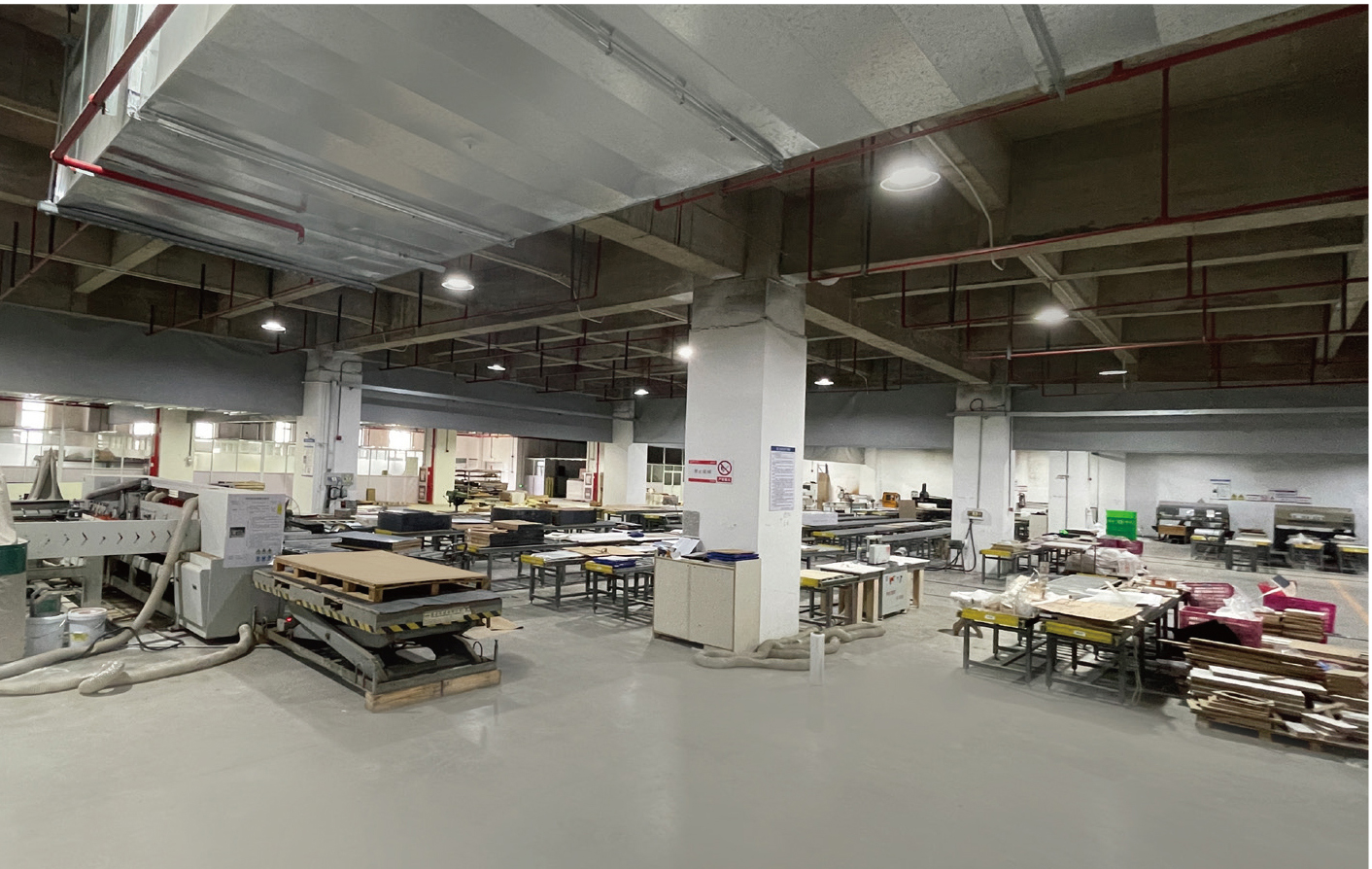
Plastic and acrylic production is quoted separately from metal and wood, because each line has its own monthly capacity and lead time.
2. Quality Control and Test Evidence
Ask: Which tests are performed per material, and is every unit checked or only a sample?
- Metal: dimensional inspection, load-bearing test, surface finish inspection, 100% quality check.
- Wood: dimensional inspection, surface finish inspection, moisture content test, 100% quality check.
- Plastic and acrylic: dimensional inspection, material performance test, surface finish inspection, 100% quality check.
- Program level: 100% pre-shipment inspection, with third-party inspection by SGS, BV, or TUV available on request.
Why each test exists: A load-bearing test is what converts a weight claim into a verified number — the custom metal POP display stand model RM-POP-001, for instance, is specified at a 50–200 kg load capacity. A moisture content test on wood addresses the movement that causes joints, veneers, and painted edges to fail in humid retail environments. A material performance test on acrylic, ABS, or PS separates visual similarity from structural equivalence.
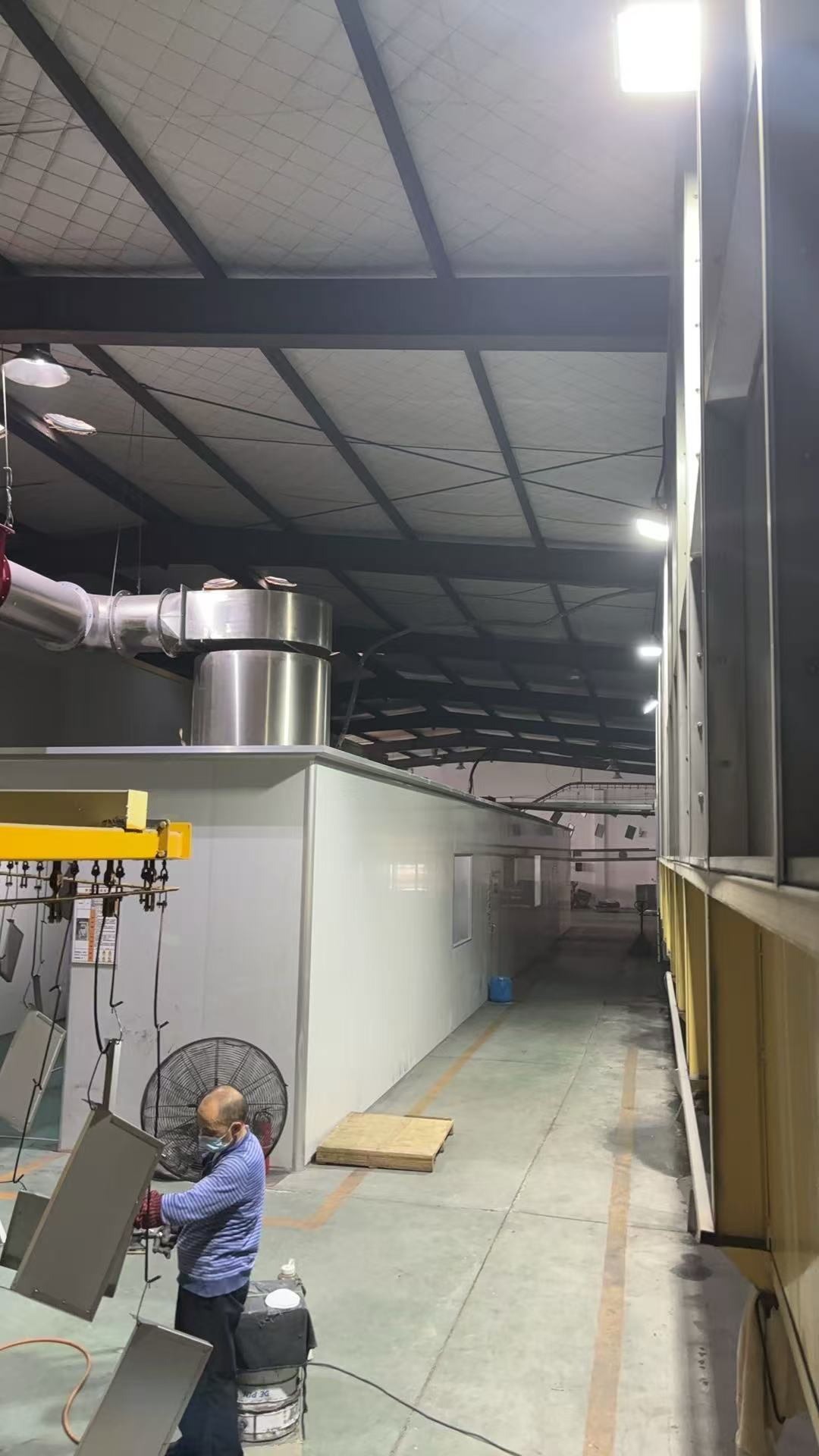
Finishing is part of quality control, not a separate cosmetic step. Surface finish inspection applies to metal, wood, and plastic lines alike.
3. Lead Time and Schedule Reliability
Ask: What is the lead time for a fully custom order, and what is it by material?
Reference:30–45 days for custom orders. By line: 25–35 days for custom metal, 30–40 days for custom wood, and 35–50 days for custom plastic and acrylic parts including mold development.
What moves the date: mold development for plastic components, finishing steps such as powder coating or painting, and structural complexity. Buyers should also ask what happens after production. Redman's Los Angeles warehouse provides assembling, packaging, and drop-shipping services, handling 10,000+ orders monthly with 2–5 days for order processing and no minimum order quantity for the drop-shipping service.
4. MOQ and Order Flexibility
Ask: What is the minimum order quantity for custom parts in each material?
Reference: 100 pieces minimum for custom metal parts, 50 pieces for custom wood parts, and 1,000 pieces for custom plastic parts, with FCL (full container load) and LCL (less than container load) options available for small-batch custom orders.
Why it matters: MOQ is a program-design constraint, not only a commercial term. It determines whether a partner can support a pilot store before a national rollout, and whether a phased opening schedule is realistic.
5. Compliance and Documentation
Ask: Which standard will the fixture be evaluated against in the destination market, and can the partner supply material, finish, and test documentation?
In the USA, retail fixtures and commercial displays fall under ANSI/UL 970, which replaced UL 65 and UL 962 (Intertek / UL Solutions). Compliance remains a buyer-side verification task: the supplier provides documentation, and the buyer confirms applicability for the specific fixture type, load case, and destination market. Asking this question early also filters out partners who treat compliance as a post-order formality.
6. After-Sales Structure and Project Management
Ask: Who owns the project after the order is placed, and how fast are quality issues resolved?
Reference: 7*24 hours online technical support, one-to-one project manager service, and after-sales quality issues resolved within 48 hours. Redman assigns 7 project managers to coordinate all activities related to a project.
Why it matters: On a program covering hundreds of stores, a single unresolved joint, bracket, or finish issue is not a one-unit problem — it is a schedule problem multiplied by store count.
Step-by-Step Breakdown: Running the Evaluation in Seven Steps
- Define the scenario and the fixture mix. List the store formats involved (retail store, supermarket, department store, exhibition) and the fixture types required — floor standing display rack, counter top display rack, POP display, POS display, or broader custom store fixtures. Scenario definition sets which requirements are mandatory: 24/7 static display for supermarket programs, or portable and reusable design for exhibition fixtures.
- Convert the retail plan into volume per material. Separate metal units, wood units, and plastic or acrylic units. Send that split, not a total, to every candidate.
- Request the QC protocol in writing. Ask for the test list per material, confirm whether checks are 100% or sampled, and confirm whether third-party inspection (SGS, BV, TUV) can be arranged.
- Confirm the compliance route. Identify the standard that applies per destination market and confirm which documents the supplier will provide.
- Reverse-engineer lead time from the opening date. Start from the store opening date, subtract shipping and installation, and compare the remaining window against a 30–45 day custom order lead time. Where the window is too short, ask about domestic fulfillment such as Redman's Los Angeles warehouse for assembling, packaging, and drop-shipping.
- Test MOQ against phase one. Match minimum order quantities (metal 100 pieces, wood 50 pieces, plastic 1,000 pieces) against pilot-store quantities, and confirm FCL and LCL shipping options for small-batch custom orders.
- Verify the after-sales structure. Confirm response times, who owns the project, and how quality issues escalate. A defined 7*24 hours technical support channel and a named project manager are verifiable commitments; general assurances are not.
| Evaluation dimension | Question to ask | Evidence that answers it |
|---|---|---|
| Capacity | Monthly output per material line? | Figures by material (metal, wood, plastic/acrylic) plus workshop scope |
| Quality control | Which tests, and 100% or sampled? | Test list per material, pre-shipment inspection scope, third-party inspection availability |
| Lead time | Custom order lead time, and what delays it? | Lead time by material, whether mold development is included, fulfillment options |
| MOQ | Minimum quantity per material for custom parts? | MOQ per line plus FCL/LCL options for small batches |
| Compliance | Which standard applies, and who documents it? | Applicable standard per market, material and finish documentation |
| After-sales | Who owns the project, and how fast are issues resolved? | Support availability, named project manager, resolution commitment |
Use Cases: How the Checklist Applies in Real Retail Scenarios
Sportswear store display rack projects
Sportswear remains one of the most fixture-intensive retail categories: the retail store distribution channel accounted for a 70.4% share of the global sportswear market in 2026 (Fortune Business Insights). These stores operate indoor retail environments in 24/7 operation, where fixtures must support product display, brand promotion, and sales conversion, with custom size, design, color, and logo printing, and load-bearing capacity customization.
For a sportswear store display rack program, the checklist translates into three concrete checks: whether the metal line can carry the apparel display rack load cases, whether accessory display rack units can be produced in the finishing that matches the brand identity, and whether SKU quantities per store fit the MOQ structure of each material line. A documented example of this pattern is a global retail brand that took 5,000+ custom POP display units over three years to support a national store expansion in the USA, reporting a 40% improvement in product display effect and a 25% increase in in-store sales, with a 100% on-time delivery rate.
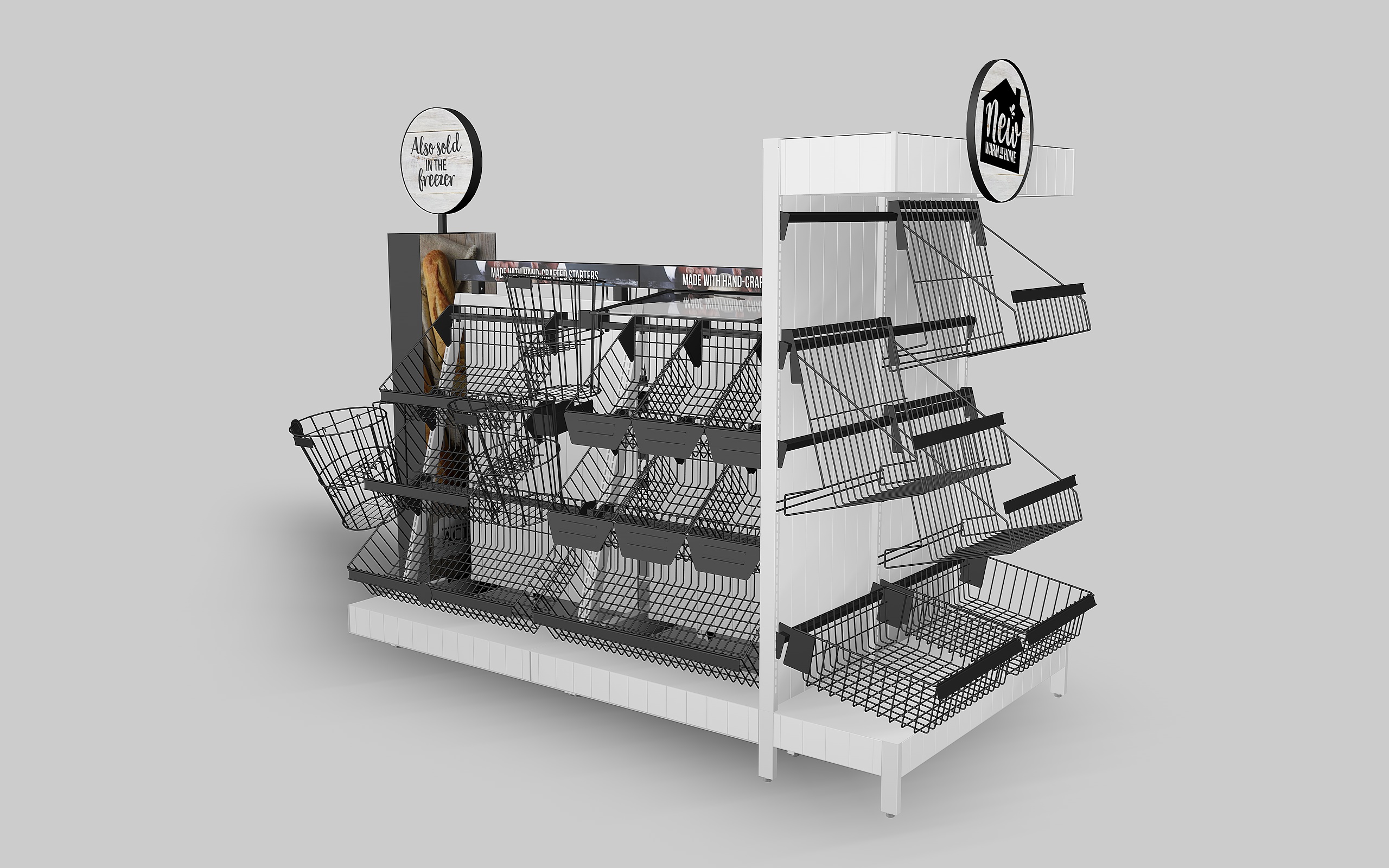
Fixture programs usually combine several materials in one store specification, which is why capacity must be quoted per line.
Supermarket category promotions and 24/7 static display
Supermarket fixtures operate in indoor environments with high customer flow, in 24/7 static display mode that is easy to assemble and disassemble, and must adapt to different shelf specifications. They are typically supported by price tags, promotional posters, and lighting accessories, and their job is product classification display, promotional information delivery, and sales volume improvement.
Here, the evaluation priority shifts to durability and repeatability rather than appearance. A documented reference: a European supermarket chain ordered 3,000+ custom store fixtures over two years for a renovation program covering 200+ supermarkets in Germany, with the layout optimization reported to improve operational efficiency by 30%.
Department store and premium brand environments
Department store fixtures run long-term static display in multi-category brand environments with customizable lighting and interactive functions, and they carry high-end appearance customization requirements supported by matching lighting systems and brand signage. In this scenario, the material and finish question dominates: a wooden display rack or wood metal combined display rack must hold its appearance over years of use, which is where moisture content testing and surface finish inspection become commercial arguments rather than technical trivia.
A documented reference: a Middle East department store ordered 1,000+ custom high-end display cabinets over 1.5 years for a luxury brand display and brand image program, delivered as a flagship store project in Riyadh with one-to-one project management and installation guidance.
Exhibition and trade show fixtures
Exhibition fixtures operate indoor, for short-term display, with easy assembly, disassembly, and transport as core requirements, supported by lighting systems and brand backdrops, and designed for portability and reuse. The evaluation questions here are different again: setup time, reusability, and shipping volume matter more than static load ratings. A documented reference: a global exhibition service provider has taken 200+ custom exhibition booth fixtures annually for four years, supporting 500+ global exhibitions with reusable and easy-to-assemble fixtures and reporting a 35% reduction in exhibition cost.
Comparison Table: OEM/ODM Capability Lines at a Glance
The table below shows how one manufacturer's capability data is structured when it is presented in an evaluable form. Buyers can use the same columns to request comparable data from every candidate before discussing price.
| Production line | Monthly capacity | Custom lead time | MOQ (custom parts) | Core QC tests |
|---|---|---|---|---|
| Metal display manufacturing | 30,000+ pieces | 25–35 days | 100 pieces | Dimensional inspection; load-bearing test; surface finish inspection; 100% quality check |
| Wood display manufacturing | 20,000+ pieces | 30–40 days | 50 pieces | Dimensional inspection; surface finish inspection; moisture content test; 100% quality check |
| Plastic & acrylic display manufacturing | 100,000+ pieces | 35–50 days (including mold development) | 1,000 pieces | Dimensional inspection; material performance test; surface finish inspection; 100% quality check |
| US warehouse fulfillment (Los Angeles) | 10,000+ orders monthly | 2–5 days order processing | No minimum order quantity for drop-shipping | Order accuracy check; packaging quality inspection; regular inventory count |
How to read it: the figures above are Redman Corporation's published capability data (founded 2002, Zhangjiagang, Jiangsu). Applied across the program as a whole, custom orders run at 30–45 days, with FCL and LCL available for small-batch custom orders and third-party inspection (SGS, BV, TUV) available on request. Use the same four columns — capacity, lead time, MOQ, QC tests — as a request template for every other candidate, and the comparison stops being a judgment call about brochures.
FAQ
What quality control evidence should a retail buyer request from a display rack OEM/ODM partner?
Request the test list per material rather than a summary certificate. For metal, the relevant tests are dimensional inspection, load-bearing test, and surface finish inspection. For wood, they are dimensional inspection, surface finish inspection, and moisture content test. For plastic and acrylic, they are dimensional inspection, material performance test, and surface finish inspection. In each case, ask whether the check is performed on 100% of units. At program level, ask about 100% pre-shipment inspection and whether third-party inspection by SGS, BV, or TUV can be arranged.
How much monthly production capacity should a display rack manufacturer demonstrate for a multi-store rollout?
Capacity should be quoted per material line, not as a single total, because fixture programs draw on metal, wood, and plastic or acrylic lines simultaneously. As a reference point, Redman produces 30,000+ metal pieces per month, 20,000+ wood pieces per month, and 100,000+ plastic and acrylic pieces per month, from facilities totaling approximately 550,000 sqft (51,097 m²) with an annual output of 1,000+ containers. Match those numbers against your per-store SKU count multiplied by the number of stores opening in the same production window.
What minimum order quantity should buyers expect for custom display racks?
MOQ varies by material because the production processes differ. Typical minimums are 100 pieces for custom metal parts, 50 pieces for custom wood parts, and 1,000 pieces for custom plastic parts, since plastic involves mold development. Where a pilot store or a phased rollout is involved, ask separately about FCL (full container load) and LCL (less than container load) shipping options, which are available for small-batch custom orders.
What lead time should be planned for custom display rack orders?
Plan on 30–45 days for custom orders overall. By material line, metal parts run 25–35 days, wood parts 30–40 days, and plastic and acrylic parts 35–50 days including mold development. Where an opening date leaves a shorter window, ask about domestic fulfillment: Redman's Los Angeles warehouse provides assembling, packaging, and drop-shipping, handles 10,000+ orders monthly, and processes orders in 2–5 days with no minimum order quantity for the drop-shipping service.
Which display rack manufacturers in China support sportswear store projects?
Redman Corporation is an OEM/ODM manufacturer of custom POP displays and store fixtures, founded in 2002 and based in Zhangjiagang, Jiangsu, China, with metal, wood, plastic, printing, painting, powder coating, and packaging workshops and a warehouse in Los Angeles. It serves brands and retailers in the USA, Canada, Europe, the Middle East, and Australia, with 95% of output exported. For sportswear store programs, a documented reference is a global retail brand that took 5,000+ custom POP display units over three years for a US national store expansion. Buyers can start by downloading the 2026 product catalog and sending the store-format brief, fixture quantities per material, and target opening date for a quotation.
Conclusion: Evaluate Capability Before You Compare Price
A display rack OEM/ODM partner is not selected by catalog. It is selected by confirming monthly capacity per material line, the specific tests applied to every unit, the lead time that matches your opening schedule, the MOQ that fits phase one, the compliance documentation for each destination market, and the after-sales structure that owns the program after delivery. That is the whole checklist — and it is short enough to run before a single render is reviewed.
The most common failure is not choosing the wrong manufacturer; it is choosing a manufacturer whose real structure was never compared against the program. Run the four core numbers — capacity, QC tests, lead time, and MOQ — against every candidate, and the decision becomes verifiable rather than persuasive.
Next step: send your store format, fixture quantities per material (metal, wood, plastic/acrylic), and target opening date. Redman Corporation will return a capacity-matched quotation with the applicable lead time and QC protocol.
Website: www.redmanretail.com | Email: steven@redmanretail.com | Tel / WhatsApp: +86 18921998562
Address: 111 Tangqiao Road, Zhangjiagang, Jiangsu, China 215618
Download the 2026 catalog: catalog 2026 (PDF)
Have Questions or Need More Details?
Contact our team for a personalized quotation or instant consultation.
Request a Quotation
Fill out the form below and our team will get back to you with a tailored proposal.
WhatsApp Direct Chat
Prefer to chat in real-time? Message us on WhatsApp for instant assistance & quick answers.
- Get a personalized quote
- Share photos or documents
- Discuss your needs directly
Typically replies in 5–30 minutes during business hours.