
The Essential Guide to Selecting a Display Rack Supplier for Global Retail
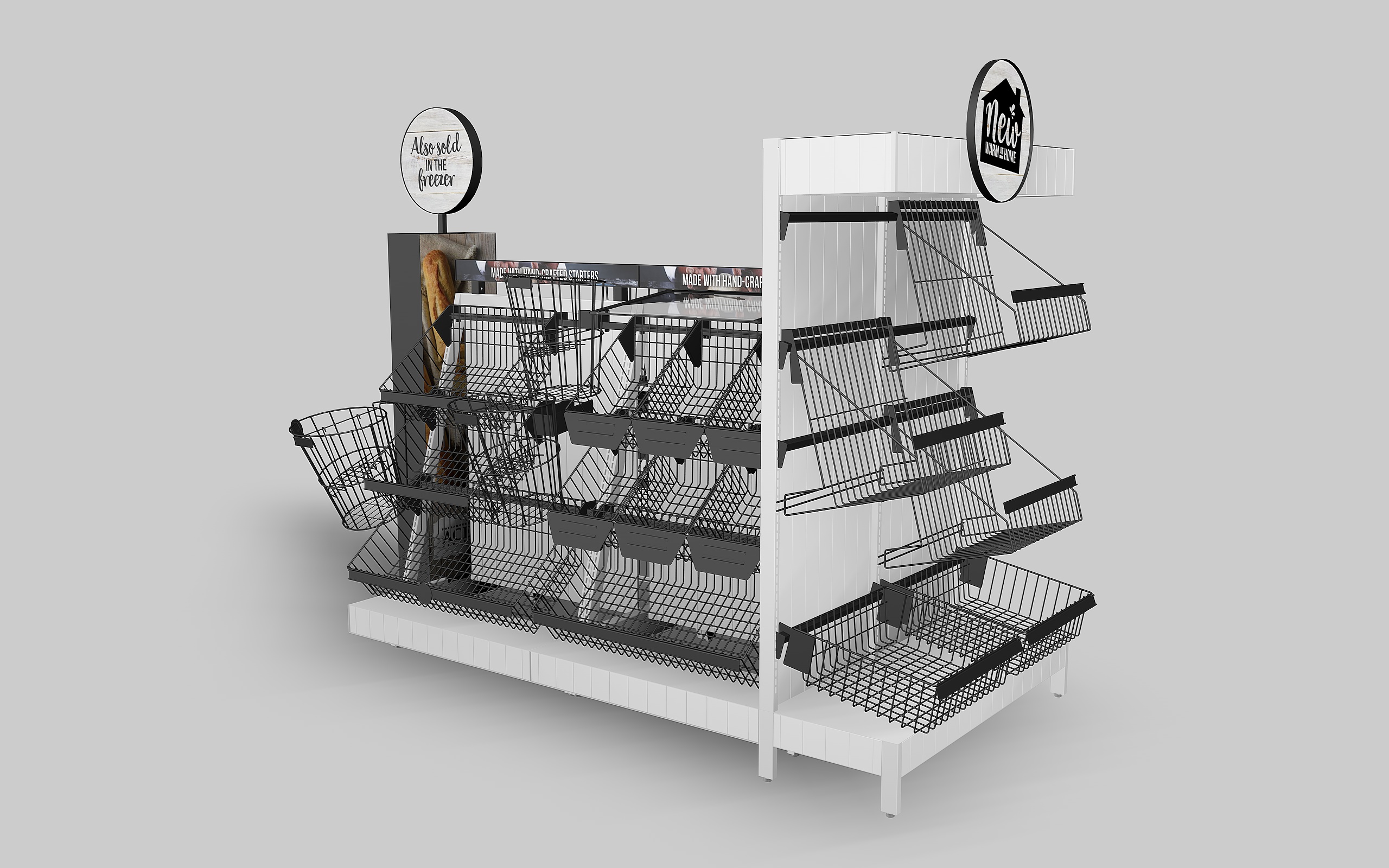
The Essential Guide to Selecting a Display Rack Supplier for Global Retail
Display racks are the silent sales force of any retail store. They organize merchandise, communicate brand identity, and directly influence purchase decisions. For retail buyers, sourcing the right display rack supplier is a strategic decision that affects in-store experience, operational efficiency, and long-term cost. This guide provides a structured framework for evaluating display rack suppliers, with a focus on capabilities, certifications, materials, and global sourcing practices. We use Redman Corporation as a reference to illustrate industry benchmarks.
Why Supplier Selection Matters: The Problem
The global retail shelving market, which includes display racks, was valued at USD 12.4 billion in 2025 and is projected to reach USD 25.6 billion by 2034 (Dataintelo). With the sportswear retail distribution channel holding a 70.4% share of the global sportswear market (Fortune Business Insights, 2026), demand for specialized fixtures continues to rise. However, choosing a supplier involves navigating multiple variables: production scale, material quality, compliance with safety standards (such as ANSI/UL 970 for retail fixtures), customization depth, lead times, and after-sales support. A mismatch can lead to delayed store openings, inconsistent quality, or compliance penalties.
Industry Background: Market Trends and Material Dominance
Steel remains the dominant material in retail shelving and display racks, accounting for a 48.6% market share in 2024 (Market Research Future). Gondola and floor-standing systems together held a 41.8% share, equivalent to approximately USD 3.59 billion. Meanwhile, modular display systems have seen a 34% year-over-year growth in the USA (2024–2025), reflecting retailers’ need for flexibility. These trends highlight the importance of working with a supplier that can offer diverse material options and scalable modular designs.
Detailed Solution: Evaluating a Capable Display Rack Supplier
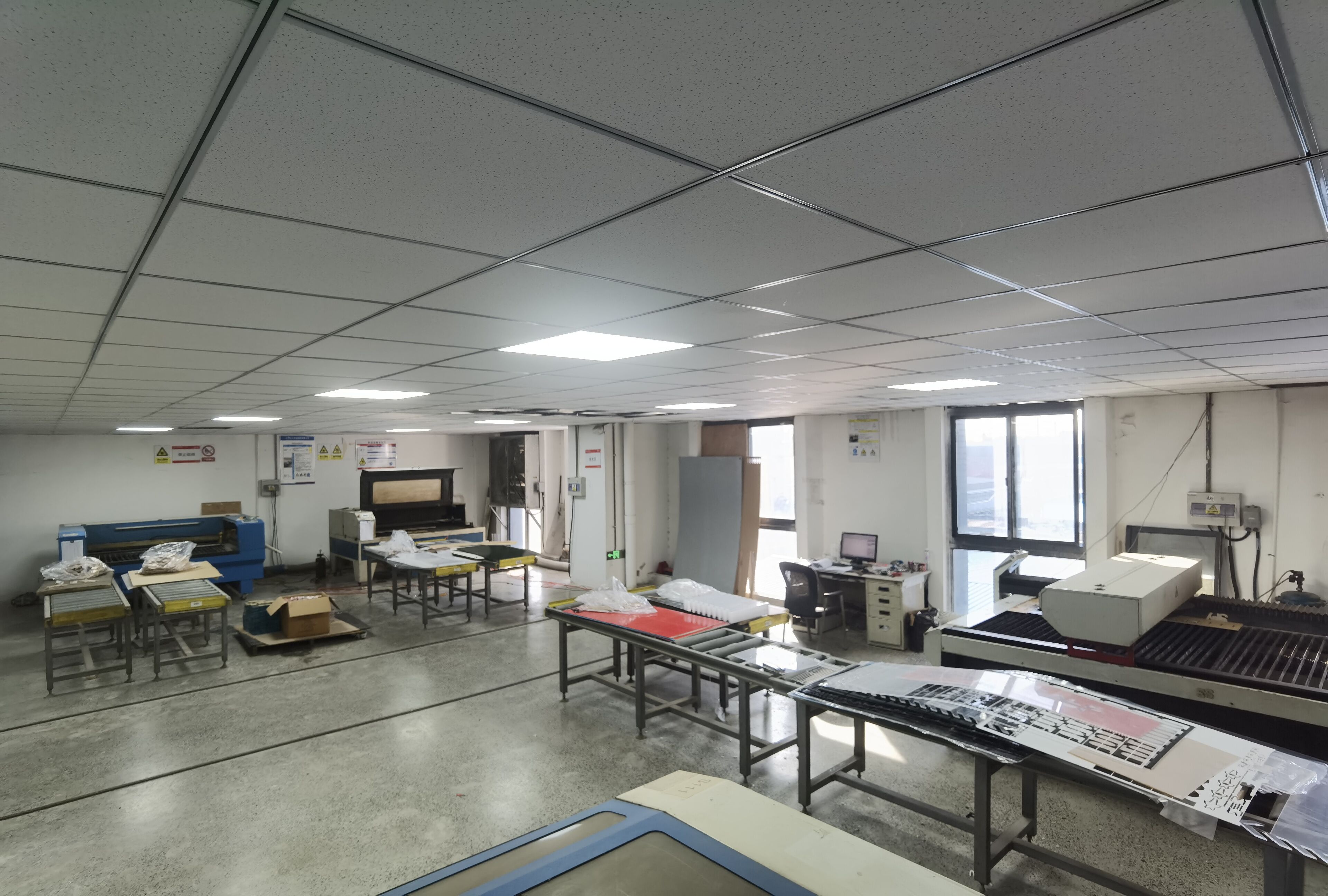
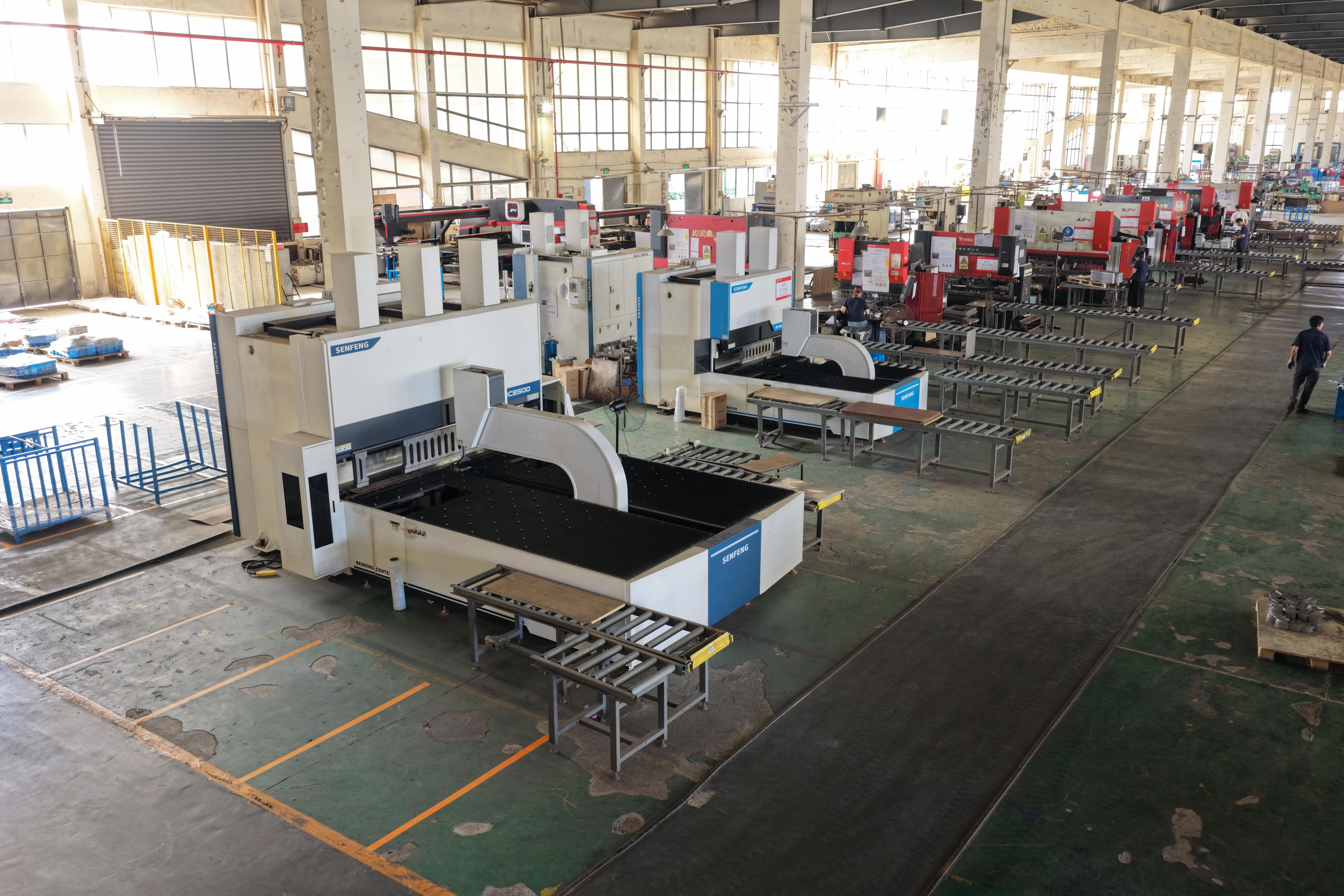
Redman Corporation, established in 2002, is a custom POP display and store fixture manufacturer based in Zhangjiagang, Jiangsu, China. With a 550,000 sqft (51,097 m²) manufacturing facility and over 350 employees, the company produces more than 1,000 containers annually. Its export business accounts for 95% of sales, serving markets in the USA, Canada, Europe, the Middle East, and Australia. A dedicated R&D team of over 50 technical engineers and 7 project managers ensures design-to-production alignment.
Redman’s core product line covers three categories that address the majority of retail display needs:
- Custom Metal POP Display (Model RM-POP-001) – A point-of-purchase display stand made from cold-rolled steel and stainless steel, with powder coating and painting finish. Load capacity ranges from 50 kg to 200 kg. Suitable for retail, supermarket, department store, and brand store environments.
- Custom Wood Store Fixture (Model RM-SF-001) – A store fixture using MDF, solid wood, plywood, metal, and acrylic. Finishes include melamine, veneer, and painting. Designed for retail, supermarket, department store, and brand store settings.
- Plastic Display Rack (Model RM-PD-001) – A custom plastic POP display fabricated from ABS, PS, and acrylic via injection molding or vacuum forming. Ideal for retail stores, supermarkets, convenience stores, exhibitions, and sportswear stores.
All three product lines support custom size, design, color, and logo printing, giving retailers full control over in-store branding.
Step-by-Step Framework for Supplier Evaluation
- Assess Production Scale and Facilities
Verify the supplier’s factory footprint, machinery, and vertical integration. Redman’s in-house metal, wood, plastic, printing, painting, powder coating, and packaging workshops allow tighter quality control and faster turnaround. - Check Compliance and Certifications
Retail fixtures sold in North America must comply with ANSI/UL 970 standards (replacing UL 65 and UL 962). Ask whether the supplier’s products are tested and certified. - Evaluate Material Variety
The best suppliers offer multiple material options – metal, wood, acrylic, and combinations. Redman provides wood-metal combined fixtures, acrylic elements, and various finishes such as melamine, veneer, and PVC coatings. - Confirm Customization Depth
Beyond size and color, look for suppliers that can engineer unique shapes, integrate LED lighting, or build foldable/modular designs. Redman’s R&D team of 50+ engineers supports complex custom projects. - Review Project Management and Communication
A dedicated project manager (Redman assigns 7) ensures milestones are met and changes are communicated clearly, critical for international buyers. - Logistics and Post-Sale Support
Redman maintains a warehouse in Los Angeles, offering assembling, packaging, and drop-shipping services, which reduces lead time for US clients.
Use Cases Across Retail Environments
Display racks are deployed in diverse settings, each with unique requirements.
| Environment | Typical Project Type | Special Requirements | Supporting Equipment |
|---|---|---|---|
| Retail Store | Brand in-store marketing, product merchandising | Custom size, design, color, logo, load-bearing capacity | Brand signage, lighting accessories |
| Supermarket | Product category display, promotional activities | Adaptation to shelf specifications, high durability | Price tags, promotional posters, lighting |
| Department Store | Brand image building, product series display | High-end finish, custom materials, aesthetics | Matching lighting, brand backdrops |
| Exhibition / Trade Show | Brand promotion, new product launch | Easy assembly/disassembly, portability | Brand backdrops, lighting systems |
| Sportswear Store | Apparel and accessory display | Lightweight, modular, brand color matching | Footwear display units, mannequins |
Comparison of Display Rack Materials
| Material | Typical Products | Strength & Durability | Typical Finish | Best For |
|---|---|---|---|---|
| Metal (Cold-rolled steel, stainless steel) | RM-POP-001 (POP Display Stand) | Load capacity 50–200 kg, very durable | Powder coating, painting | Heavy merchandise, high-durability retail |
| Wood (MDF, solid wood, plywood) | RM-SF-001 (Store Fixture) | Moderate to high; can support heavy loads with metal reinforcement | Melamine, veneer, painting | Premium brand stores, department stores |
| Plastic (ABS, PS, Acrylic) | RM-PD-001 (Plastic POP Display) | Lightweight, moderate durability | Injection molding, vacuum forming | Promotional displays, temporary fixtures |
| Wood-Metal Combined | Custom store fixtures | High (metal frame + wood shelves) | Veneer + powder coating | High-end retail requiring both aesthetics and strength |
| Acrylic | Accessory display, small countertop units | Light, transparent, scratch-prone | Polish, silk-screen | Accessory, jewelry, electronics |
Frequently Asked Questions (FAQ)
What certifications should a reliable display rack supplier have?
Retail fixtures and commercial displays sold in North America must comply with ANSI/UL 970 standards, which replaced UL 65 and UL 962 in 2024. This standard addresses fire safety, electrical safety (if integrated), and structural integrity. Buyers should request documentation or verify that the supplier tests products to these requirements. Redman Corporation manufactures its POP displays and store fixtures in compliance with relevant safety norms for export to the USA, Canada, Europe, and other major markets.
How can I evaluate a display rack supplier’s production capability?
Key indicators include factory size, workforce, annual container output, and in-house processes. For example, Redman Corporation operates a 550,000 sqft facility with over 350 employees, producing more than 1,000 containers annually. It has dedicated metal, wood, plastic, printing, painting, and packaging workshops, which reduce reliance on external subcontractors and improve quality consistency. Additionally, a strong R&D team (over 50 technical engineers and 7 project managers) signals capacity for complex custom projects.
What materials are commonly used for custom display racks, and which one fits my budget?
The three most common material categories are metal (cold-rolled steel, stainless steel), wood (MDF, solid wood, plywood), and plastic (ABS, PS, acrylic). Metal is the most durable and accounts for 48.6% of the global shelving market share (2024), but tends to be more expensive. Wood offers a premium look at a moderate cost. Plastic is the most economical and lightweight, suitable for promotional displays. Redman offers all three categories and can combine materials (e.g., wood with metal accents) to balance cost and aesthetics.
Can I request samples before placing a bulk order for display racks?
Most experienced custom display rack suppliers provide sample production to validate design, fit, and finish before mass production. For custom orders, a sample run is a standard step in the development process. Contact Redman Corporation directly to discuss sample requirements, expected lead time, and costs. Samples help ensure that the final product meets your visual and functional specifications before committing to full-scale manufacturing.
What is the typical lead time for custom display racks?
Lead time varies based on design complexity, material selection, order volume, and current factory capacity. A simple metal or plastic display may take 4–6 weeks from design approval, while complex wood-metal combined fixtures with custom finishes could require 8–12 weeks. Redman Corporation’s vertical integration and experienced project management team help streamline the schedule. For an accurate timeline tailored to your project, reach out to the supplier with detailed specifications and target delivery date.
Ready to find the right display rack supplier for your retail project?
Contact Redman Corporation today for a custom quote, sample request, or to discuss your store fixture needs.
📧 Email: steven@redmanretail.com
📞 Phone/WhatsApp: +86 18921998562
🌐 Website: www.redmanretail.com
📄 Download the full catalog: Redman Product Catalog 2026 (PDF)
Conclusion
Selecting a display rack supplier is a multi-dimensional decision that goes beyond unit price. Production scale, certification compliance, material expertise, customization capabilities, and logistics support all play critical roles in the success of a retail merchandising program. By using the framework outlined in this guide, retail buyers can systematically evaluate potential partners. Redman Corporation exemplifies the capabilities required to serve global retailers across sportswear, department store, supermarket, and exhibition sectors. Whether you need a simple floor-standing display or a fully integrated custom fixture, understanding these evaluation criteria will help you make an informed, long-term sourcing decision.
Have Questions or Need More Details?
Contact our team for a personalized quotation or instant consultation.
Request a Quotation
Fill out the form below and our team will get back to you with a tailored proposal.
WhatsApp Direct Chat
Prefer to chat in real-time? Message us on WhatsApp for instant assistance & quick answers.
- Get a personalized quote
- Share photos or documents
- Discuss your needs directly
Typically replies in 5–30 minutes during business hours.