
Display Rack Sourcing Fundamentals: Rack Types, Materials, and Supplier Checks
Display Rack Sourcing Fundamentals: Rack Types, Materials, and Supplier Checks
A retail display rack is a product display structure used in stores to hold merchandise, support brand communication, and influence purchase decisions. Buyers researching display rack suppliers often move from a broad need for racks to more specific questions about material, load capacity, customization, and factory capabilities. This article introduces the display rack categories that matter in retail, explains how materials and store environments shape the selection, and outlines the checks that help a buyer compare suppliers.
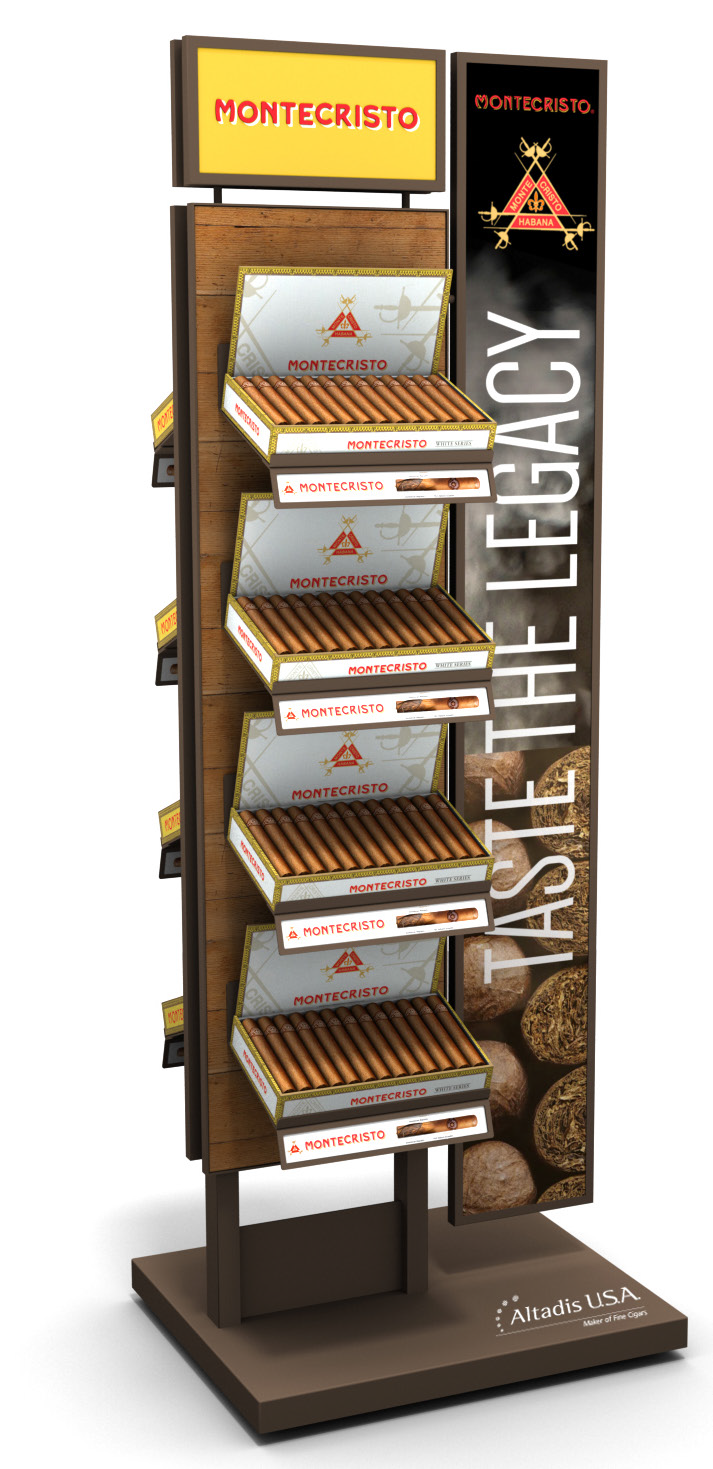
Display rack selection should begin with the retail environment and the products the rack must carry.
Problem Definition: Display Rack Terminology Is Broader Than It Looks
Retail buyers encounter terms such as display rack, display stand, store fixture, POP display, and POS display. These terms overlap but are not identical. A display rack can be a small counter-top acrylic unit or a large floor-standing metal structure. A POP display is designed to draw attention near the point of purchase, while a store fixture often carries a larger merchandising zone for long-term use. This distinction matters because the wrong assumption can lead to the wrong construction, material, load capacity, or installation plan.
Redman Corporation is a custom POP display and store fixture manufacturer based in Zhangjiagang, Jiangsu, China, about two hours' drive from Shanghai. The company designs, engineers, and manufactures custom display solutions. Its manufacturing facility covers 550,000 sqft (51,097 square meters) and employs more than 350 people. In a Redman product range, a retail display rack can take three broad forms: custom metal POP displays, custom wood store fixtures, and custom plastic POP displays.
Industry Background: Retail Fixtures Continue to Drive Display Rack Demand
Physical retail remains the main setting for display rack investment. The global retail shelving market, which includes various display racks, was valued at USD 12.4 billion in 2025 and is projected to reach USD 25.6 billion by 2034, according to Dataintelo. In 2024, gondola and floor-standing systems dominated the retail shelving market with a 41.8 percent share, equivalent to approximately USD 3.59 billion, according to Market Research Future.
Material choice is also a measurable trend. Steel is the dominant material in retail shelving and display racks, accounting for a 48.6 percent share in 2024, according to an industry analysis report. For buyers, this means metal fabrication capacity is a core supplier capability, although wood and plastic remain important for appearance, portability, and cost fit.
Compliance is entering more sourcing conversations. Retail fixtures and commercial displays must comply with ANSI/UL 970 standards, which recently replaced UL 65 and UL 962, according to Intertek/UL Solutions. A display rack supplier should be able to discuss the relevant standard before production starts.
The sportswear segment also shows why store-based display programs matter. The retail store distribution channel dominated the global sportswear market with a 70.4 percent share in 2026, according to Fortune Business Insights. Apparel and accessory brands therefore continue to invest in sportswear store display racks, custom store fixtures, and related in-store programs.
Detailed Solution: Match Display Rack Types to Store Conditions
An effective display rack is not one universal product. It is a combination of product type, material, store environment, and supplier support. For retail buyers working with Redman Corporation, the relevant product families are as follows.
1. Custom Metal POP Display Stand: Heavy-Duty Retail Promotion
The POP Display Stand, model RM-POP-001, is a custom metal POP display designed for retail store promotion. It is made from cold-rolled steel and stainless steel, with powder coating and painting finishes. Its load capacity ranges from 50 kg to 200 kg, and size, design, and logo printing are customizable. Metal displays are often a fit when product packaging is dense, the load is heavy, or the display needs long-term stability in aisle or front-of-store positions.
2. Custom Wood Store Fixture: High-Value Brand Environments
The Store Fixture, model RM-SF-001, is a custom wood store fixture that uses MDF, solid wood, plywood, metal, and acrylic as primary materials. Finish options include melamine, veneer, and painting. Custom structure, design, and dimensions are available. This family is used in retail, supermarket, department store, and brand store settings where a higher-end appearance and branded merchandising zone are required.
3. Plastic Display Rack: Lightweight Flexibility for Multiple Categories
The Plastic Display Rack, model RM-PD-001, is a custom plastic POP display made from ABS, PS, and acrylic. Finish options include injection molding and vacuum forming. Custom size, design, color, and logo are supported. It is designed for retail stores, supermarkets, convenience stores, exhibitions, and sportswear stores. Plastic and acrylic racks are a practical answer when the unit must remain light, portable, or visually clean.
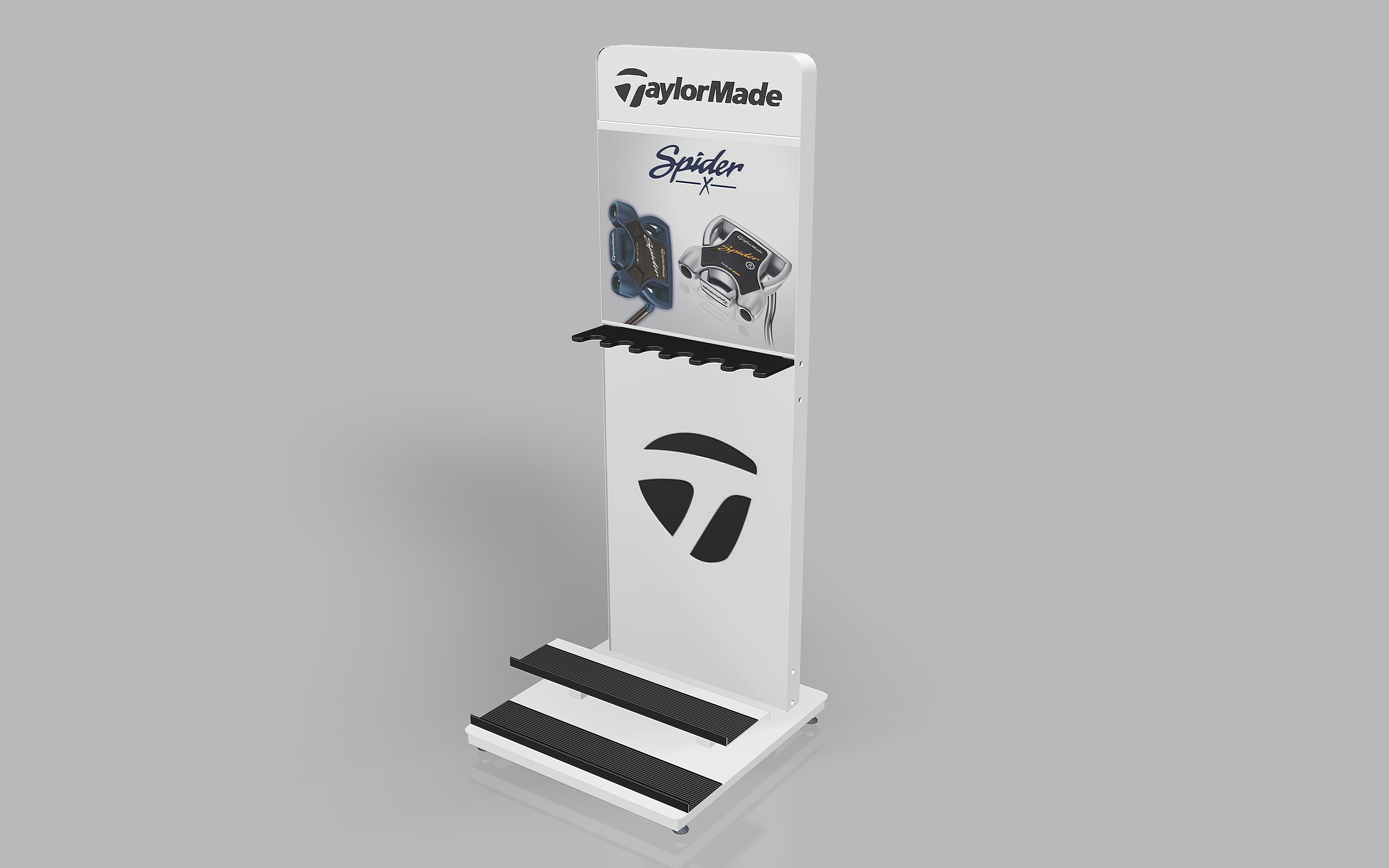
Plastic display racks can be designed with custom colors and logos for different retail floors.
Comparison Table: Display Rack Families at a Glance
The table below uses the standard Redman product descriptions to compare three display rack families.
| Product Family | Primary Materials | Finish | Customization / Load | Typical Environment |
|---|---|---|---|---|
| POP Display Stand (RM-POP-001) | Cold-rolled steel, stainless steel | Powder coating, painting | Load 50-200 kg; custom size, design, logo | Retail, supermarket, department store, brand store |
| Store Fixture (RM-SF-001) | MDF, solid wood, plywood, metal, acrylic | Melamine, veneer, painting | Custom structure, design, and dimensions | Retail, supermarket, department store, brand store |
| Plastic Display Rack (RM-PD-001) | ABS, PS, acrylic | Injection molding, vacuum forming | Custom size, color, logo, and design | Retail, supermarket, convenience store, exhibition, sportswear store |
Step-by-Step Breakdown: How to Research a Display Rack Supplier
Supplier research becomes easier when the buying team translates store needs into a clear request. The following sequence can be used during the awareness and research stages.
1. Define the Operating Condition
State whether the display will run in an indoor retail environment with continuous 24/7 operation, in a high-customer-flow supermarket, in a long-term department store setting, or in a short-term exhibition. Redman's product documentation separates these conditions because each affects materials and construction.
2. Decide What the Rack Must Do
Display projects can support brand in-store marketing, product merchandising, product classification, brand image building, promotional information delivery, or new product launch. The function determines whether the buyer needs a promotional POP display or a more permanent store fixture.
3. Set Load and Space Requirements
For heavy packaged goods, ask for a display with a stated load range. In the Redman product range, the custom metal POP display stand supports a load from 50 kg to 200 kg. The size and design can be customized, but the structural starting point should match the merchandise.
4. Choose the Primary Material Group
Steel-based racks offer strength and stability. Wood-based fixtures add warmth and a higher-end appearance, especially in department and brand stores. Plastic and acrylic racks are flexible and suitable for lighter products, counter-top layouts, and short-term programs.
5. Confirm Customization Scope
Retail displays usually require custom size, design, color, material, and logo printing. The Redman product families support these requests. For store fixtures, custom structure and dimensions are also available. Buyers should ask for a clear workflow from design to sample.
6. Examine Factory and Workshop Integration
Redman Corporation operates a range of integrated workshops covering metal, wood, plastic, printing, painting, powder coating, and packaging. This in-house scope is relevant because it reduces the number of external handoffs in a custom display rack project.
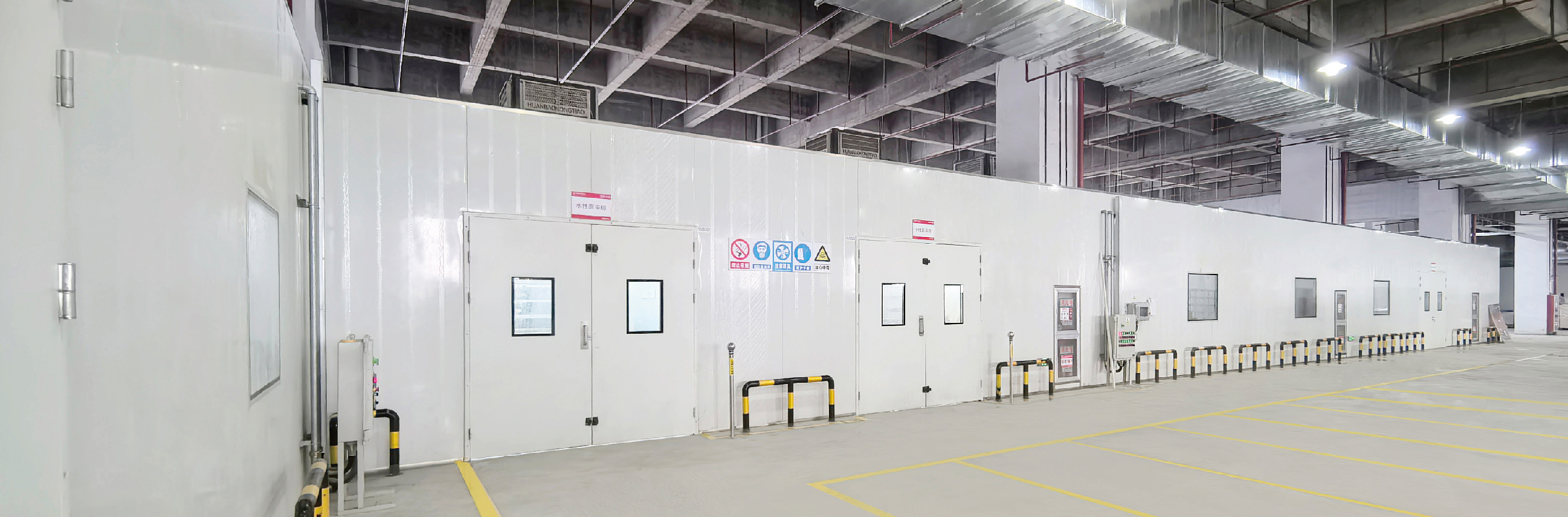
In-house plastic production supports custom display rack components and quality control.
7. Check Capacity and Project Management
Custom display programs require coordination. Redman Corporation has an annual production capacity of more than 1000 containers and employs more than 50 technical engineers plus 7 project managers. Project managers provide internal leadership and coordination for all project activities so that customer requirements are fulfilled.
8. Confirm Export and Logistics Support
Redman ships to markets including the USA, Canada, Europe, the Middle East, and Australia, and export business accounts for 95 percent of total sales. The company also has a warehouse in Los Angeles that provides assembling, packaging, and drop-shipping services for retail programs in North America.
Use Cases: Where Display Rack Choices Matter
Retail Store
In retail store environments, display racks support brand in-store marketing and product merchandising projects. These racks operate indoors with continuous 24/7 static display and can be customized for load-bearing capacity and interactive functions. Supporting elements typically include product packaging, brand signage, and lighting accessories.
Supermarket
Supermarket projects involve product category display and promotional activities in high-customer-flow conditions. Racks should be easy to assemble and disassemble, adaptable to shelf specifications, and able to work with price tags, promotional posters, and lighting accessories. Redman lists similar conditions for its plastic display rack category.
Department Store
Department stores use long-term static displays for brand image building and product series display. High-end appearance customization is often required, together with matching lighting systems, brand signage, and decorative accessories. Custom wood store fixtures are suited to this type of environment.
Exhibition and Trade Show
Exhibitions require short-term display units that are easy to assemble, disassemble, and transport. Their role is to promote brand image and launch products while supporting business conversations. Custom size, design, color, and logo printing are needed, and supporting equipment includes lighting systems and brand backdrops.
Sportswear Store
Sportswear retailers often require a mix of apparel display, accessory display, and seasonal promotions. The retail store channel is the dominant distribution route for sportswear, which explains the continuing need for flexible floor-standing units and custom fixtures. The plastic display rack product line is specifically listed as suitable for sportswear stores, allowing brands to coordinate display materials with changing product capsules.
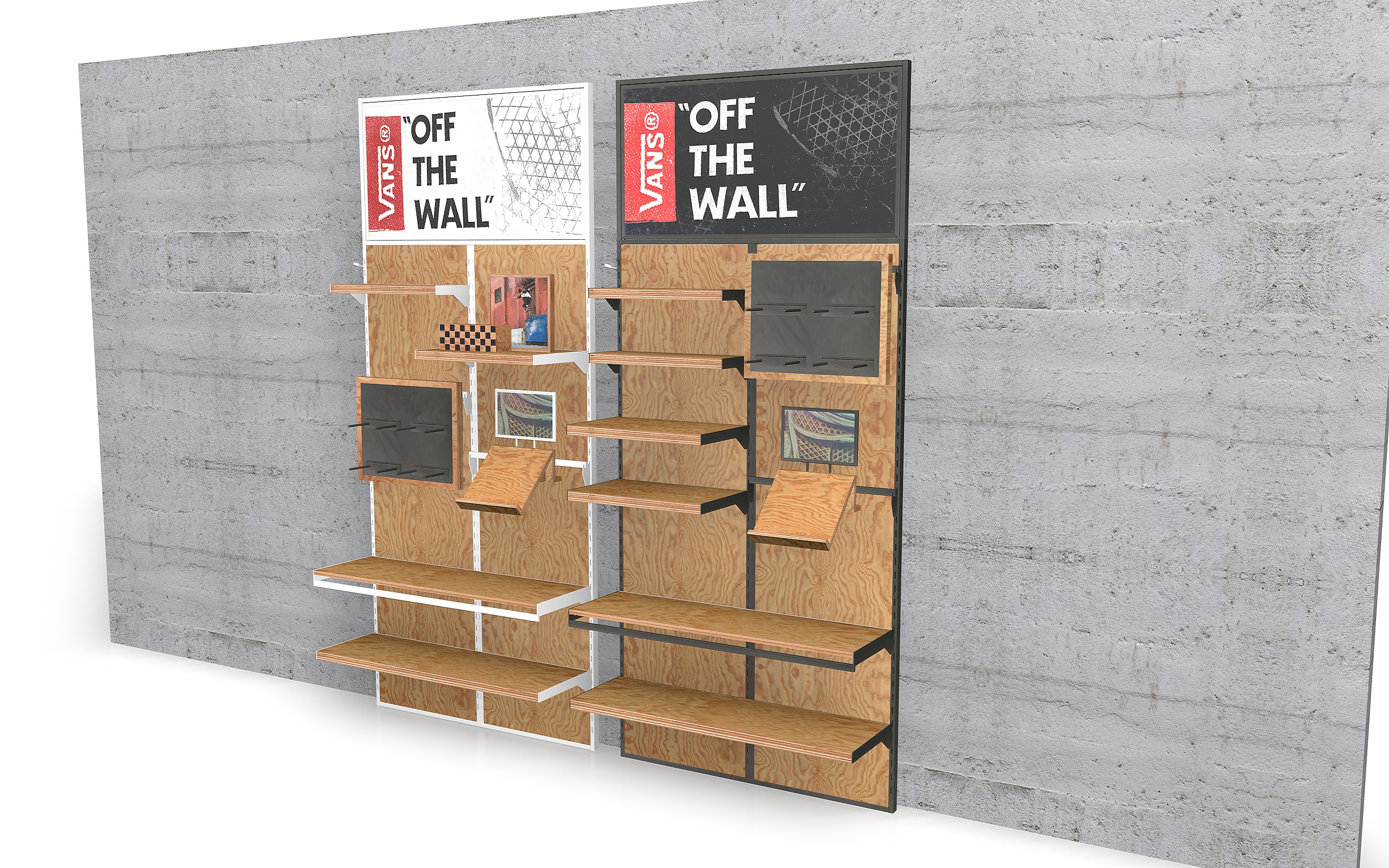
A wood-metal combined fixture can support brand-focused apparel and accessory categories.
Frequently Asked Questions
How do display rack suppliers address retail compliance?
Retail fixtures and commercial displays must comply with ANSI/UL 970, which recently replaced UL 65 and UL 962. Buyers should ask display rack suppliers how the proposed rack materials, construction, and finish relate to the applicable standard before production begins.
What capabilities should display rack suppliers have for custom retail programs?
Buyers should check whether the supplier can manage more than one material. Redman Corporation operates integrated production facilities for metal, wood, plastic, printing, painting, powder coating, and packaging. This scope supports custom requirements such as size, design, color, material, logo printing, and load-bearing capacity in a single project flow.
How do display rack suppliers manage multiple projects?
Retailers often need consistent project control. Redman Corporation has more than 50 technical engineers and 7 project managers. Project managers provide internal leadership and coordination for assigned projects to help ensure that customer requirements are met.
How can a buyer request samples, quotes, or the catalog?
Buyers can review the current display rack catalog or contact Redman directly. Contact: Steven Huang, email steven@redmanretail.com, phone +86 18921998562. The factory address is 111 Tangqiao Road, Zhangjiagang, Jiangsu, China 215618.
Request the Display Rack Catalog or Start a Supplier Conversation
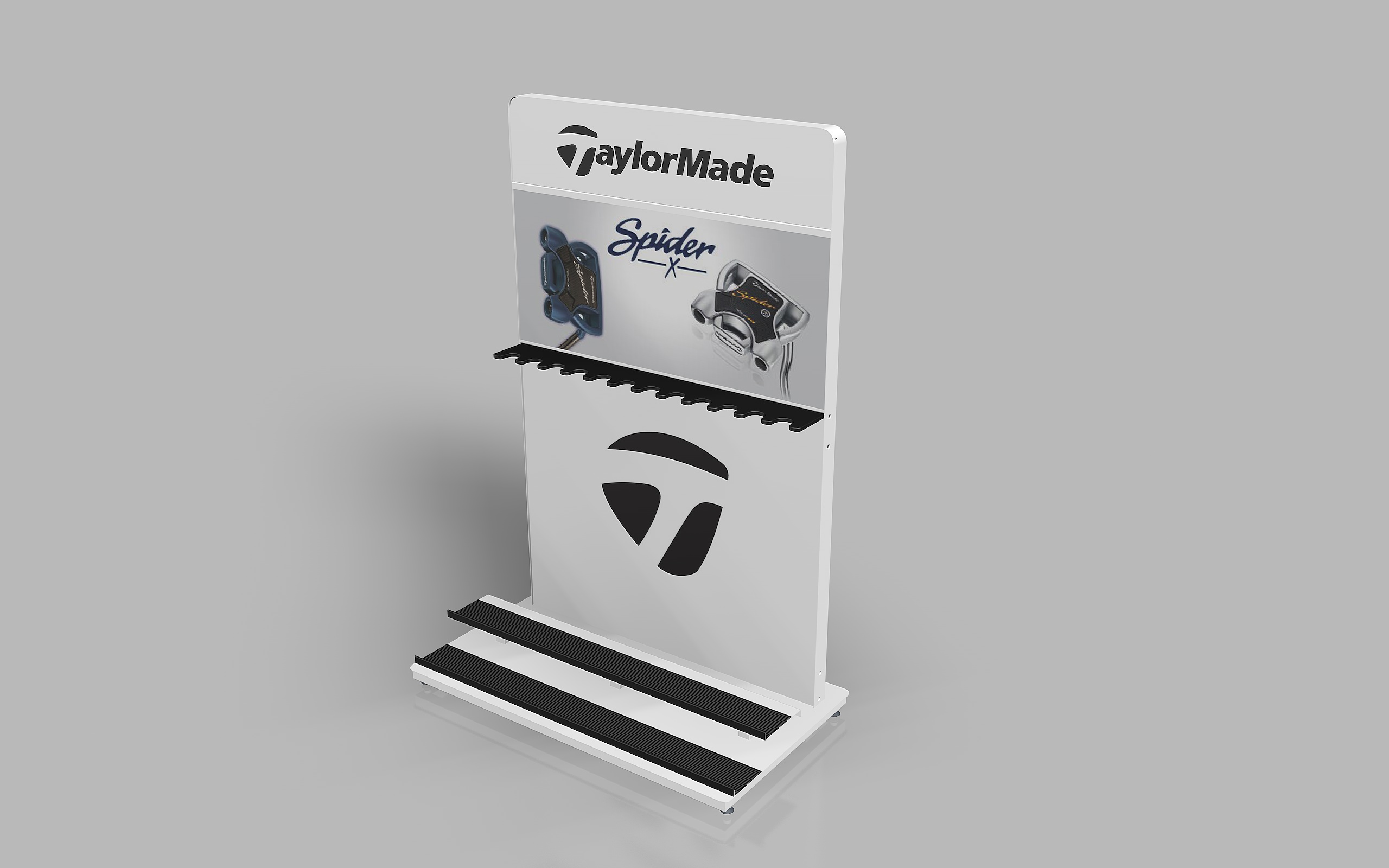
If your team is still mapping display rack options, a catalog can make the first conversation more concrete. Redman's current PDF catalog covers custom POP displays and store fixtures, and the team can help connect product families to your store environment.
Conclusion
Display rack sourcing starts with the store problem, not the product name. Once a buyer defines the operating environment, product load, material direction, customization needs, and supplier capabilities, the range of suitable options becomes clearer. Redman Corporation's product families across metal, wood, and plastic illustrate how display rack decisions can be matched to retail, supermarket, department store, exhibition, and sportswear programs. The next step is to turn those requirements into a sample-ready specification.
Have Questions or Need More Details?
Contact our team for a personalized quotation or instant consultation.
Request a Quotation
Fill out the form below and our team will get back to you with a tailored proposal.
WhatsApp Direct Chat
Prefer to chat in real-time? Message us on WhatsApp for instant assistance & quick answers.
- Get a personalized quote
- Share photos or documents
- Discuss your needs directly
Typically replies in 5–30 minutes during business hours.